

























































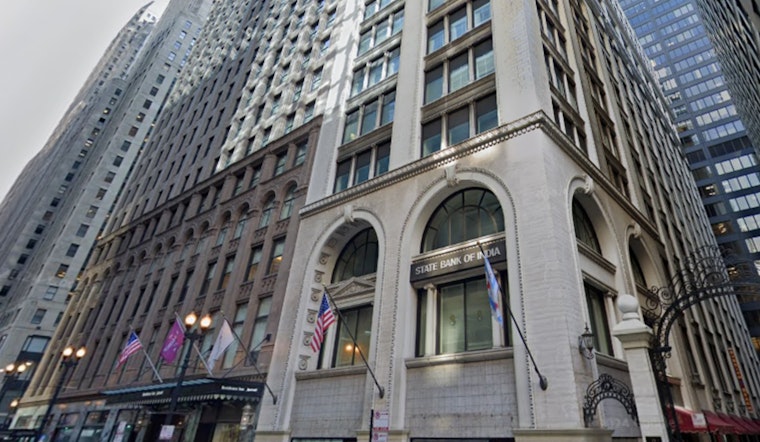
A long-quiet classic in the heart of the Loop is finally getting its second act. An interior demolition permit has cleared the way for a major adaptive reuse at 19 S. LaSalle, the 16‑story former Central YMCA building now slated to become apartments with street‑level retail. The development team says the plan will preserve the historic exterior while turning the upper floors into more than 200 homes. With landmark approvals moving along and permits stacking up, crews could be on site by spring 2026—pending the usual gauntlet of reviews and filings.
According to Urbanize Chicago, Envoi Partners — which lists 19 South LaSalle in its project portfolio — acquired the property in October 2024 and has secured an interior demolition permit. The plan calls for about 207 apartments, new ground‑floor retail, and a roughly $64 million budget, with Hartshorne Plunkard Architecture leading design and Power Construction serving as general contractor; additional permits for unit build‑outs have been filed and are awaiting issuance.
A Rare Early Jenney Building
Built in 1893 as the Central YMCA headquarters, the 16‑story structure is a standout early fire‑proof, steel‑frame skyscraper by Jenney & Mundie, preservation advocates note. Preservation Chicago and commercial listings peg the building at roughly 158,000–159,000 square feet—one reason the conversion plan stresses keeping those historic exterior elevations and roofline intact.
Next Approvals And Timeline
With a final landmark recommendation from the Commission on Chicago Landmarks now secured, the proposal heads to the Committee on Zoning and then the full City Council before the team can access certain incentives and begin major work, Urbanize Chicago reports. If zoning votes and outstanding permits stand in the developer’s way, construction is expected to start in spring 2026—kicking off with the interior demolition that’s already authorized.
Part Of A Bigger LaSalle Makeover
The 19 S. LaSalle effort is one piece of a broader push to repopulate LaSalle Street with housing and street‑level life—a strategy city planners hope will revive the financial district beyond the 9‑to‑5. WTTW and Chicago YIMBY have tracked nearby conversions aiming to add hundreds of apartments and re‑energize ground‑floor retail along the corridor.
For neighbors and downtown workers, the clearest timeline will come with public hearings and council votes. Developers say they’ll move once the approvals and permits are in place. If it all clicks, the Loop gains fresh housing while a distinctive historic façade stays right where it belongs.




