

























































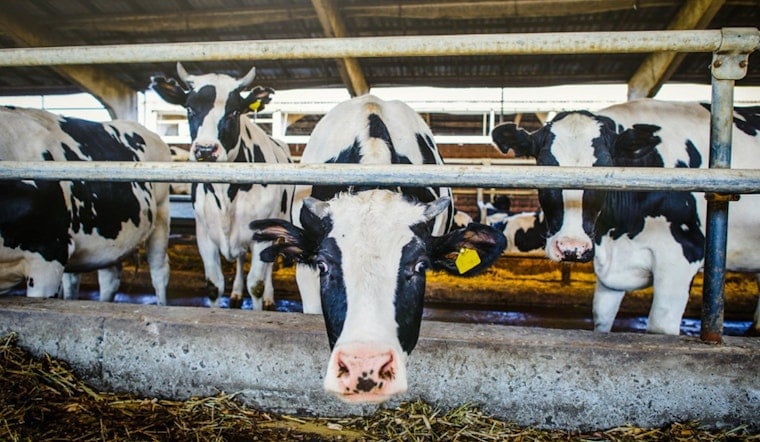
With Foot-and-Mouth Disease (FMD) being a distant memory in the United States, many might consign it to the pages of history. But the reality for US livestock producers is different; this highly contagious virus is an ever-present specter looming over their operations. Last seen on US soil in 1929, a single case of FMD today could disrupt the entire livestock industry, bringing animal movement, markets, and international trade to an abrupt standstill. According to the Oregon Department of Agriculture, preparedness is more than just good biosecurity—it's an essential shield for not just individual farms but also the national livestock economy.
FMD is notorious for its ability to spread swiftly among cloven-hoofed animals such as cows, pigs, sheep, goats, and deer. The disease manifests through symptoms like fever, blisters and sores, particularly around areas such as mouth and hooves, leading to significant distress and economic losses. As reported by the Oregon Department of Agriculture, FMD does not pose a threat to human health, nor does it affect horses, dogs, and cats. However, these animals can act as carriers, inadvertently ferrying the virus to susceptible livestock.
The virus has a variety of transmission pathways. It can be passed through direct contact with infected animals or indirectly via contaminated objects, like clothing or equipment, that come in contact with livestock. The virus is resilient, capable of surviving for extended periods in the environment. This underscores the importance of rigorous biosecurity measures in stemming any potential outbreak. Livestock producers are urged to remain vigilant for symptoms, such as blisters or changes in feeding behaviors, which could indicate an infection, as reported by the Oregon Department of Agriculture.
Given the gravity of an FMD outbreak, the Oregon Department of Agriculture mandates immediate reporting of any suspected cases to their hotline. Laboratory testing, coordinated by animal health officials, is required for confirmation. On the prevention front, best practices include limiting farm exposure to external visitors, quarantining new livestock, and stringent cleaning protocols for equipment and feed sources. Moreover, all personnel involved in handling animals should be adequately trained to recognize symptoms of FMD and respond accordingly.
With such rigorous measures in place, the emphasis lies heavily on awareness and swift action in the event of a suspected FMD case. Prevention and preparedness are, hence, critical in ensuring that the specter of FMD remains a historical footnote rather than a current headline, protecting the livelihood of farmers and the health of the US livestock industry.



