

























































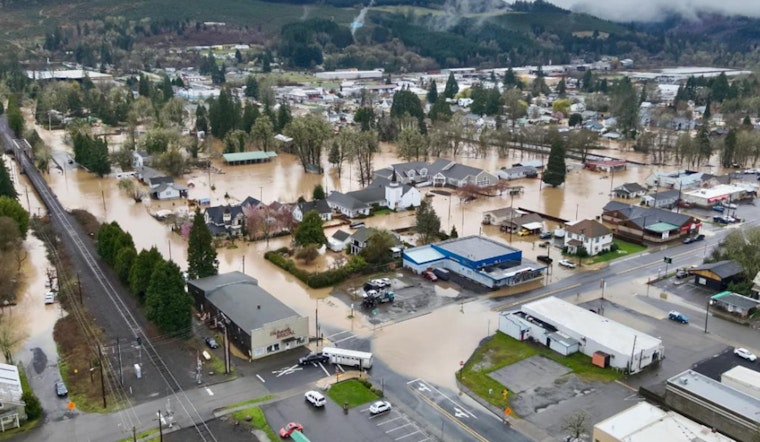
In the wake of the floods that swept through parts of Oregon, residents are now grappling with the task of recovery as waters recede. Officials urge the public to exercise caution, echoing the essential steps outlined in a recent article from the Oregon Emergency Management, which states, "do not attempt to return home until local authorities declare it is safe." The message is clear: the dangers do not end when the floods subside.
Travel remains a risky endeavor in post-flood conditions. Flooded paths can still sweep away vehicles, leading to emergencies for unsuspecting individuals. The Oregon Health Authority advises against unnecessary travel and recommends that residents keep off the roads unless faced with an emergency. To keep abreast of real-time road conditions, locals are urged to check TripCheck.com, a valuable resource under these circumstances.
When returning to your homes, the Oregon Health Authority warns you to look out for any structural damage and to document it meticulously. "Take detailed photographs and videos of all damage before removing debris or beginning cleanup," the authority recommends, emphasizing the importance of such evidence for insurance purposes. The safety and future financial welfare of home and property owners depend on these critical steps.
There's also a heightened risk of fire in the aftermath of flooding. Before reconnecting power, the main power and gas must be shut off to ensure no spark sets off a dangerous blaze. "Do not turn the electricity back on if any power outlets are below the flood line," the authorities caution, emphasizing the role of a licensed electrician to inspect the electrical system before restoring power.
Protective measures extend beyond the integrity of structures; they encompass the health of those affected by the floods. To guard against contamination and infection, the Oregon Health Authority relays advice that includes wearing proper safety gear during cleanup and avoiding contact with floodwater, which could be a soup of harmful bacteria and chemicals. Health and hygiene are paramount, with the authority advising strict adherence to any boil water advisories that may be in place.
Financial recovery from such natural disasters is a burden that weighs heavily on those affected. The Oregon Health Authority prompts individuals to reach out to their insurance companies to initiate the claims process swiftly. Moreover, FEMA’s Survivor’s Road to Recovery pages offer a pathway to understanding the steps necessary for accessing assistance, a lifeline for those navigating the complex landscape of recovery.
Mental health is an integral component of disaster recovery. The deep-seated effects of the trauma can manifest in a spectrum of emotional reactions. The Oregon Health Authority urges, "Give yourself the space to process what happened," and suggests seeking support from friends, family, or mental health professionals if feelings become overwhelming. Ready.gov provides additional resources for those coping with the impact of disaster, reinforcing that recovery isn't just about rebuilding structures, but also restoring the well-being of communities.



