

























































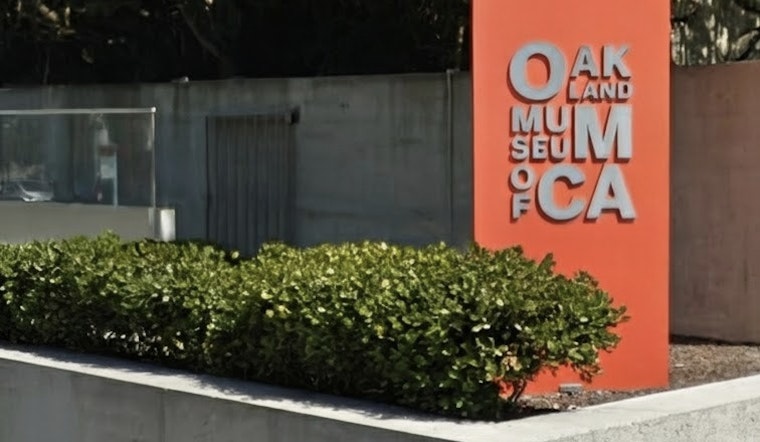
The Oakland Museum of California has released new details about the massive October theft that saw more than 1,000 items vanish from its off-site storage facility, offering clarity on what was taken and what investigators now believe happened.
In a statement released Thursday, the museum confirmed that the early morning break-in on October 15 appears to have been an opportunistic grab rather than a sophisticated art heist. According to Oakland Museum of California, investigators believe the perpetrators didn't even realize they were breaking into a museum storage facility—they simply took what was easiest to carry out.
The majority of stolen items consist of historic memorabilia: political pins, award ribbons, and souvenir tokens. But among the haul are objects of particular cultural significance, including six Native American baskets, several 19th-century scrimshaw pieces, daguerreotypes, and modernist metalwork jewelry.
Sensitive Cultural Losses
The museum has been in direct communication with the California tribe culturally affiliated with the stolen Native American baskets. As reported by The Art Newspaper, the tribe has requested anonymity and asked that the museum not publicly release further details about the baskets. According to KQED, the museum maintains ongoing conversations with this tribe about repatriation and other cultural matters—making this loss particularly painful for both parties.
"This is a loss not only for OMCA, but for the broader community," said Lori Fogarty, the museum's Executive Director and CEO, in the statement. She emphasized the museum's commitment to recovering the stolen items and ensuring their continued care for future generations.
Not the First Time
This marks the third time in 15 years that the Oakland Museum has been targeted by thieves. In 2012 and early 2013, the museum suffered two separate burglaries at its main location. As detailed by The Oaklandside, Andre Taray Franklin was convicted for both incidents and sentenced to four years in prison for knowingly possessing and selling an $800,000 Gold Rush-era jewelry box stolen from the museum, among other items. That jewelry box was the only major piece recovered—it had been sold to a business owner for just $1,500, according to Artnet News.
"We are very much hoping that we will have a similar outcome here," Fogarty told KQED after the current theft, referencing that 2013 recovery.
Four Days Before the Louvre
The Oakland heist took place just four days before thieves made off with approximately $102 million in Napoleonic crown jewels from the Louvre Museum in Paris in broad daylight. While the two incidents appear unrelated, the timing has drawn international attention to museum security vulnerabilities. According to CNN, seven suspects have been arrested in connection with the Louvre heist, though the jewels remain missing.
The scale and nature of the Oakland theft suggest a very different kind of crime. Alexander Eblen, a senior jewelry specialist with Christie's in New York, told San Francisco Standard that large-scale thefts like this one typically indicate amateur thieves looking for quick cash rather than sophisticated art criminals. "You can have things of significant value selling for whatever they can get for it," he explained.
The Investigation
Museum staff discovered the break-in when they arrived at the storage facility the morning of October 16. According to San Francisco Standard, the thieves did not enter through a door, though specific details about their entry point remain undisclosed as the investigation continues. The facility, which houses the majority of the museum's 2 million-object collection, has security cameras and alarms, though no staff were present during the overnight theft, as reported by The Oaklandside.
The Oakland Police Department waited two weeks to announce the burglary publicly—a strategic decision made to avoid jeopardizing the investigation. "Stealing from a museum is a federal crime," Fogarty told reporters. "We have engaged deeply in the last few days with both OPD and the FBI, and they let us know that now was the moment to share this news with the public."
Museum's Mission at Stake
The Oakland Museum of California, which opened in 1969, houses the state's largest collection of California art, history, and natural science. With more than 2 million objects spanning 115 years of collecting, the institution sees itself as a steward rather than an owner of California's cultural heritage. As Fogarty explained to KQED, "Our mission is to tell the broad story of California in all of its diversity, especially highlighting the story of everyday people, everyday life."
The museum's collection is owned by the City of Oakland, which is also involved in the investigation. According to The Art Newspaper, the stolen items were insured, and the museum has "immediately beefed up security" at the facility with structural hardening and additional surveillance cameras.
Community Help Needed
Museum officials hope the public can assist in recovery efforts, particularly since many of the stolen items might surface at flea markets, pawn shops, or antique stores. The most valuable and recognizable items include several Native American baskets, a collection of metalwork jewelry by late California artist Florence Resnikoff, and scrimshaw artifacts featuring 19th-century etchings on marine animal tusks.
Anyone with information about the theft is urged to contact the Oakland Police Department's Burglary Section at (510) 238-3951, or the FBI Art Crime Team at Tips.fbi.gov or 1-800-CALL-FBI.




