

























































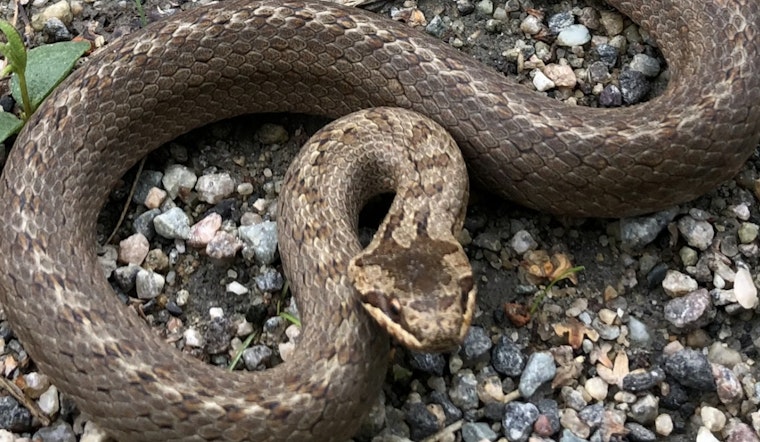
Sacramento County officials are weighing a wave of development proposals that could turn thousands of acres of rice fields and wetlands into new neighborhoods and infrastructure, right in the middle of prime habitat for the giant garter snake. The highly aquatic reptile, recently named California’s state snake, relies on these flooded fields and marshes for survival. Conservationists warn that years of habitat loss and fragmentation have already left remaining populations genetically fragile, and that recent reserve acquisitions are not keeping pace with what is on the drawing board. If the full suite of proposals moves ahead in Sacramento County and neighboring Sutter County, biologists say some of the species’ last strongholds could be put at immediate risk.
The current lineup of projects would cover more than 7,600 acres in Sacramento County and nearly 7,500 acres in Sutter County, with roughly 500 acres already under construction. Conservation groups say that level of buildout could unravel the long-standing mitigation framework that has guided growth in the Natomas Basin for decades, according to the Sacramento Bee.
Why biologists are worried
Genetic studies show that as habitat has been carved up, many giant garter snake populations have lost diversity and exhibit signs of bottlenecks, which makes recovery tougher even in areas that still look suitable on a map, as detailed by USGS research. The U.S. Fish & Wildlife Service reports that only about 5 percent of the snake’s historic wetlands remain, so each additional loss hits harder. Today, monitoring often leans on floating aquatic traps and environmental DNA sampling in marshes and rice canals to figure out where snakes are still hanging on.
Conservancy says mitigation won’t keep up
The Natomas Basin Conservancy says it has assembled about 5,386 acres of mitigation land, according to the Natomas Basin Conservancy. Those holdings form the backbone of the plan’s reserve system. Yet Conservancy Executive Director John Roberts told the Sacramento Bee that the organization “cannot implement any more of the (habitat plan)” if the current suite of county developments goes forward.
What's actually on the ground
On the landscape, much of what remains for the giant garter snake is a carefully managed patchwork of rice fields, marshes and foraging areas that aim to serve both wildlife and agriculture. In several preserves, slightly warmer discharge water helps snakes warm up more quickly in spring. Extensive rice paddies and irrigation canals double as functional habitat. Conservancy staff estimate that some of the larger, contiguous reserves support several hundred giant garter snakes, and adults, especially females, can grow longer than five feet, so even relatively small losses of connected wetland can matter a lot.
Legal stakes
The Natomas Basin Habitat Conservation Plan allows development in exchange for habitat mitigation, but that bargain only holds if the Conservancy meets benchmarks for contiguous preserved land. The U.S. Fish & Wildlife Service has warned that too little mitigation combined with further fragmentation could jeopardize incidental-take permits and invite legal challenges, which would put both individual projects and the broader habitat plan at risk, according to the U.S. Fish & Wildlife Service.
In the months ahead, county supervisors and developers will have to weigh housing and infrastructure demands against biological and regulatory limits. Their decisions will help determine whether the Natomas Basin continues to function as a refuge for a species that conservationists say has already lost nearly a century’s worth of habitat.



