

























































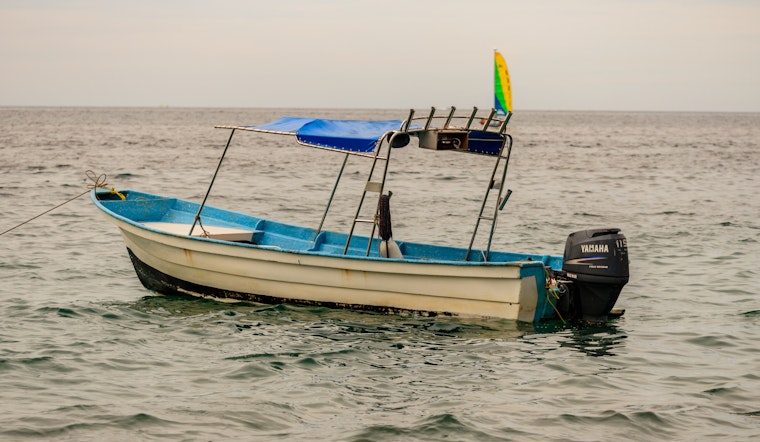
San Clemente’s City Council walked straight into a political buzzsaw Tuesday night as it opened debate on whether to let U.S. Customs and Border Protection plant a shore-top surveillance camera on city land to track panga-style boats offshore. The proposed setup, perched on a hilltop reservoir with a sweeping view of the ocean, drew a packed house and fierce pushback from residents worried about privacy and who really calls the shots at their coastline.
Council directs staff to continue negotiations
After a lengthy discussion, council members told the city manager to keep talking with CBP about a draft lease that would clear the way for cameras on city property. The sample terms on the table include a 20-year lease at $10 a year, with an option to tack on another 10 years. CBP would pick up construction and installation costs that could top $1 million, while the city would be on the hook for electrical hookups, and the federal agency would retain exclusive control over who can access the system. City staff reported that roughly 18 panga boats have been spotted off San Clemente’s coast in the past two years and said the technology could also help detect vessels in distress, according to the Los Angeles Times.
Plan's origins and the tech on the table
The proposal grew out of an earlier push from Mayor Steve Knoblock, who has argued for round-the-clock ocean monitoring that uses rotating telescopic lenses and thermal imaging to spot small boats before they hit the sand. Supporters pitch the system as a way to crack down on smuggling and theft rings along the shoreline. Critics counter that the tools risk turning public beaches into high-tech watch zones. The plan first drew wider attention in February, when the mayor’s call for wide-range, 24/7 monitoring was detailed by The Guardian.
Deadly capsize adds urgency to the debate
The council took up the camera question just days after a panga-style boat capsized off Imperial Beach, an incident that left four people dead and several others hospitalized and was treated by authorities as a suspected human-smuggling operation. Federal and local agencies, including the U.S. Coast Guard and Border Patrol, responded to the November 14 disaster in rough surf along the San Diego County coast, according to the Associated Press.
Residents and civil-liberties worries
Opponents packed the council chamber to warn that giving CBP a permanent surveillance perch in town could sweep residents into federal monitoring and leave San Clemente footing the bill for court fights. “It starts with surveillance but soon becomes something else entirely,” resident Jacki Minter told council members, adding that taxpayers could end up paying for litigation, according to the Los Angeles Times. Several speakers linked the proposal to broader national immigration policies and urged the council to weigh privacy costs carefully before signing any agreement.
Legal constraints and next steps
Looming over the talks is the California Values Act (SB 54), which limits how local law enforcement can work with federal immigration agencies and restricts sharing certain data and facilities. Council members signaled that those rules will be a key part of how they shape any lease language. For now, they stopped short of approving a final deal, instead directing staff to tighten the sample lease and return with clearer terms at a future hearing. For the full statute, see the official legislative site: California Legislative Information.
City officials say negotiations with CBP will continue and that any final agreement would come back to the council for a public vote. With the recent Imperial Beach capsize still fresh, residents and civil-liberties advocates are signaling they will be watching every step as San Clemente tries to balance coastal safety concerns with hard questions about privacy and state law.



