

























































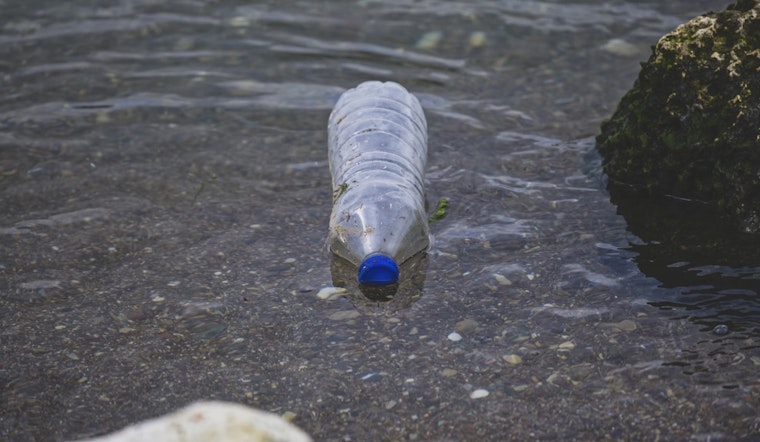
Good news, bad news in the Tijuana River Valley: a massive trash boom is snagging cross-border debris before it hits the Pacific. The flip side? San Diego is footing the bill to haul and bury the mess. Crews are dragging hundreds of tons of plastic, foam and other junk out of the river valley and into local landfills — trading ocean pollution for a growing disposal tab and fresh headaches for city and county operations.
Project partners say the 1,200-foot barrier is doing exactly what it’s supposed to do. During the 2024–25 storm season, it captured roughly 500 tons of trash and stopped about 20 tons in one October downpour, according to Newsweek. The Rural Community Assistance Corporation adds that even half-inch storms can trap dozens of tons — a hint at the scale involved — and says crews are clearing debris when ground conditions allow, per RCAC.
What's in the catch — and why it can't be recycled
The haul is dominated by plastics and other materials fouled by sewage, oils and solvents, rendering standard recycling a nonstarter, reporting by The Baja California Post notes. Researchers and advocates warn that sorting and cleaning this waste is both costly and hazardous. And while the boom helps, the river’s hydrology and persistent cross-border sanitation gaps mean it’s a stopgap until larger fixes arrive, experts told PBS SoCal.
Landfill capacity and cost pressures
Once the river is cleared, the debris heads to regional disposal sites — including Miramar, Chula Vista and National City — a process already straining local capacity. Planning documents and past coverage have warned Miramar and other sites are running out of room, complicating where to put all this captured waste, according to Voice of San Diego. A FOX4KC report highlighting the landfill angle put last season’s disposal costs — dump fees, equipment and personnel — at about $1.5 million, based on figures shared by project leaders.
Cleanup logistics are complex
Field work is slow, messy and risky. High groundwater and gelatin-like soils force crews to rely on smaller machinery and hand labor in parts of the valley. “We advised (Greenwater Services) several times that wasn’t the right place for their equipment,” Alter Terra director Oscar Romo told Voice of San Diego after gear overturned during an October storm. That same storm appears to have caused a diesel spill and damaged test equipment — a costly reminder that cleanup is not for the faint of heart.
What's next: permits, funding and binational fixes
Whether the boom grows or becomes permanent hinges on permits and money. The State Water Resources Control Board helped seed the pilot, and RCAC says partners are pursuing extensions and more financing to keep it running. Project leaders have also said permits have been extended through December 2027 while they seek more funding, per Newsweek.
Local reaction
In Imperial Beach, residents and surf groups call the boom a welcome change after long stretches of beach closures tied to river pollution, according to Spectrum News. Still, advocates and environmental experts say the only durable solution runs through better trash and wastewater services on both sides of the border — a point underscored by PBS SoCal.
For now, the boom proves that infrastructure can keep millions of gallons of polluted stormwater — and mountains of debris — from San Diego’s coast. But it also shifts the disposal crunch to local landfills and budgets. Until there’s deeper binational investment and stronger waste collection in Tijuana, officials say San Diego will keep catching the trash — and the bill.



