

























































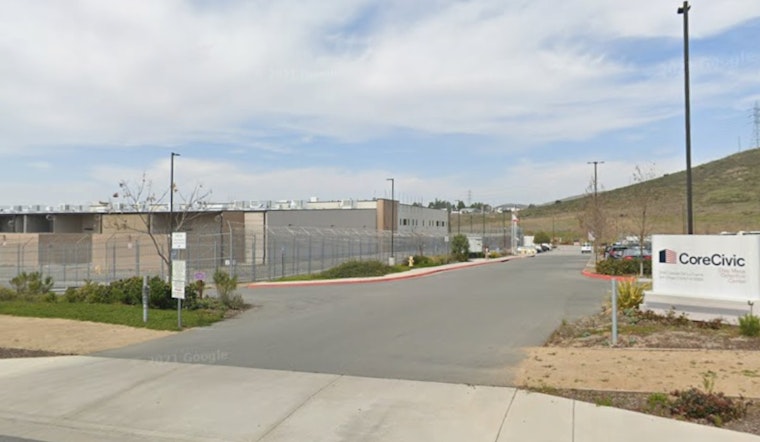
People held at the Otay Mesa Detention Center in San Diego say they are routinely subjected to full strip searches after in-person contact visits with family and friends. Detainees describe being ordered to remove all clothing, including underwear, and to "squat and cough" for guards, sometimes while menstruating. The practice has prompted some relatives to skip face-to-face visits and opt for video calls instead.
Those accounts were reported by Capital & Main, which co-published the story with the Sacramento News & Review and interviewed multiple women who described weekly post‑visit strip searches at Otay Mesa. The report includes anonymous first-person descriptions and a statement from the facility operator regarding its policies.
Federal detention rules set a different standard. As the DHS Office of Inspector General notes, ICE’s Performance‑Based National Detention Standards require an articulable "reasonable suspicion" before a strip search and say facilities may not adopt blanket post‑visit strip‑search policies unless non‑contact options are provided. Detainees are informed in a language they understand.
CoreCivic, which operates Otay Mesa, told reporters that the facility provides information about search procedures in its detainee handbook and offers both contact and non‑contact (video) visit options. The company stated that ICE officials monitor its immigration facilities.
Firsthand accounts
One woman who was detained after an immigration hearing told Capital & Main she "cried so much" at being forced to strip in front of a guard. Another woman said guards made her remove her underwear, spread her legs for inspection, and then "squat and cough" while she was bleeding.
Rules, oversight, and past findings
Inspectors and audits have repeatedly warned that strip searches without documented, case‑by‑case justification violate ICE standards. The DHS OIG and past Office of Detention Oversight reviews have found that facilities conducted strip searches after visits or court appearances without completing the required documentation or obtaining supervisory authorization.
What families can do
Families concerned about post‑visit searches should ask facility staff about non‑contact visit options, review the detainee handbook, and download visitation instructions from the facility operator before visiting in person. Attorneys and local immigrant‑rights groups can assist with understanding rights and pursuing complaints to oversight bodies when policies appear inconsistent with ICE standards.
Otay Mesa is one of the region’s largest ICE detention sites, and the recent accounts have put a spotlight on everyday practices that critics say trample detainees’ dignity and may run afoul of federal rules. As reports circulate, advocates and oversight officials say the next step is clearer documentation and an independent review of when and why full strip searches are used after visits.




