

























































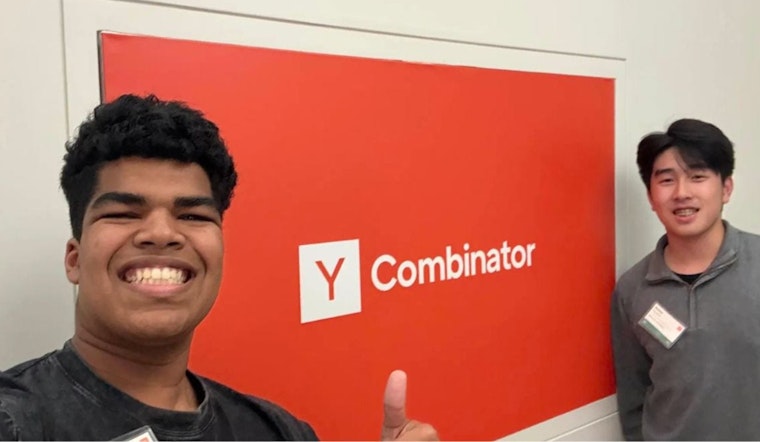
Two San Jose State University students have taken their hackathon project into Y Combinator’s Fall 2025 class. Mizan Rupan‑Tompkins and Hunter Nguyen co‑founded Stratus Aviation, an AI “co‑pilot” built to listen to airfield radio and flag potential hazards at untowered airports. The pair put classes on hold to focus on the three‑month accelerator and are scheduled to pitch at YC Demo Day on December 3.
From Hackathons To The Accelerator
According to SJSU NewsCenter, Rupan‑Tompkins (computer science and linguistics, ’28) and Nguyen (computer science, ’28) officially began the three‑month program on Sept. 24 after winning prizes at AGI House and CalHacks and taking part in a Founders Inc. run this summer. The university notes that all teams accepted into Y Combinator receive a minimum of $500,000 in funding and that Demo Day will give the team one minute to pitch to investors on December 3. SJSU also reports the partners opted not to enroll in classes this semester so they could focus on building Stratus full time.
Stratus Joins YC’s Fall Cohort
Y Combinator's company directory lists Stratus Aviation as part of its Fall 2025 batch, profiling the founders' mix of piloting and machine‑learning experience and confirming the startup is operating from the Bay Area. The YC listing frames Stratus as an "intelligence layer" for airport operations that aims to unify radio, sensor and movement data into a single, real‑time picture. Being in YC gives the team regular in‑person mentorship and investor exposure over the next three months.
What Stratus Actually Does
The company says on its website that Stratus transcribes radio calls, detects aircraft movements and raises real‑time alerts when anomalies appear, functioning as a searchable "black box" for smaller airports. In a profile, CBS San Francisco reports Rupan‑Tompkins developed the system after experiencing "multiple near mid‑air collisions" and quotes pilots who say the tool could add a useful safety layer at untowered fields. The company also points to endorsements from local aviation officials and says its hardware can be installed quickly at airfields that lack full tower staffing.
Local Tests And Next Steps
Per SJSU NewsCenter, the team has been collaborating with San Mateo County Airports and other regional fields to run pilot tests of Stratus as they refine the product. The university piece traces the project from undergraduate research and hackathon wins to the YC acceptance, and quotes Nguyen saying the program has been "an incredible learning experience" as they prepare for Demo Day. If the founders secure a seed round after the pitch, they say they may take another gap semester to continue scaling the product.
For San Jose and the broader Bay Area aviation community, the pair’s run through YC is a sign of how student‑led teams are translating campus labs and hackathon work into companies that could change local infrastructure. Investors will get a closer look at the product on December 3, and for now the founders say they’re focused on testing, safety validations and making sure their system plays well with existing airport procedures. Whatever happens at Demo Day, the Stratus story is one more reminder that Bay Area universities remain a pipeline for early‑stage, aviation‑focused innovation.





