

























































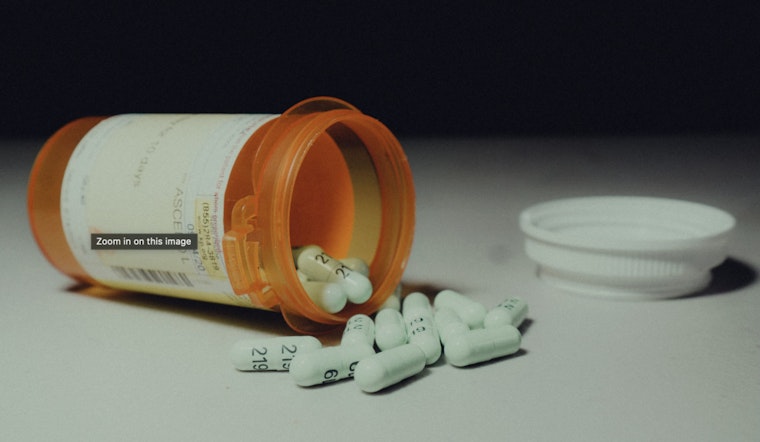
Staten Island has seen a big drop in drug overdose deaths, falling almost 50% in the past year. A report from the city Department of Health and Mental Hygiene, highlighted by SILive.com, shows deaths went down from 157 in 2023 to 81 in 2024. This change moved Staten Island from having the second-highest to the fourth-highest overdose death rate in New York City, and the rate per person has nearly been cut in half.
While Staten Island shows the biggest improvement, the drop in overdose deaths is happening across the city. Citywide, overdose deaths fell 28% last year, though Staten Island’s decline stands out. This drop is seen as unusual after nearly a decade of steady increases. Still, overdoses remain the leading cause of early death in New York City, with men and boys making up 77% of last year’s fatalities. Black and Latino New Yorkers still have about twice the overdose death rates of white residents. The Bronx saw the smallest drop in overdose deaths, with a 24% decrease.
Staten Island’s progress is credited in part to the “hotspotting” program, which combines data, artificial intelligence, and personal outreach. Developed partly with MIT, the program has reached over 2,000 people and reduced emergency room visits among participants. “We won’t necessarily lead with, you know, ‘Hey, I’m calling you about substance use,’” said Matt Germoso, a peer recovery advocate at Staten Island University Hospital, according to Gothamist.
NYC Health and Hospitals are looking to replicate the hotspotting program in Lincoln Hospital in the Bronx, backed by a $600,000 grant from the Robin Hood Foundation, as reported by Gothamist. Despite the progress, Richmond County District Attorney Michael E. McMahon stresses the need for continued vigilance to prevent setbacks in addressing the ongoing epidemic.





