

























































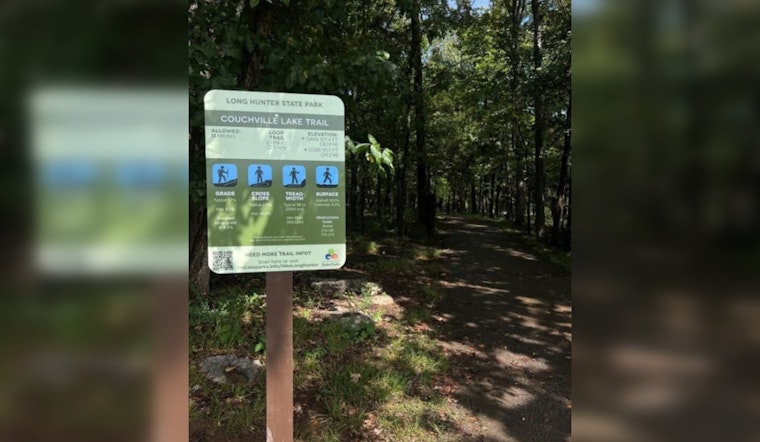
Tennessee State Parks have taken a leap forward in improving the accessibility and experience for visitors by introducing new signage that provides detailed trail information, created with the help of advanced technology. The signs offer insights into trail conditions such as the grade, slope, width, and surface type—an initiative aimed at ensuring that all visitors, regardless of mobility, can relish the state's stunning natural resources. Details from the signs are also accessible on the Tennessee State Parks website, providing convenient planning tools for future park-goers.
Greer Tidwell, deputy commissioner of the Bureau of Conservation at the Tennessee Department of Environment and Conservation (TDEC), highlighted the goal of the initiative, "We want everyone to have the same opportunities to enjoy our beautiful state parks, and this specific information helps take the guesswork out of trails for people who are unfamiliar with them," in a statement on the State Parks website. These efforts strive to address the varied needs and abilities of the park's visitors, with the aim to have one of the most accessible state park systems in the nation.
The technology behind these informative signs is known as the High-Efficiency Trail Assessment Process (HETAP), distinguishing Tennessee as the pioneer in its application. HETAP evaluates practical trail specifics such as length and possible obstructions, facilitating a more informed decision-making process for hikers before they embark on a trail. This system aligns with TDEC's Access 2030 initiative, which is a driving force behind the push for unparalleled accessibility in the Tennessee State Parks.
The Tennessee State Parks Conservancy, a nonprofit partner in fundraising efforts for the parks, played an instrumental role by purchasing a HETAP unit. The deployment of these trail assessors and the subsequent signage marks an ongoing expansion, aiming to encompass more parks and trails throughout the state.





