

























































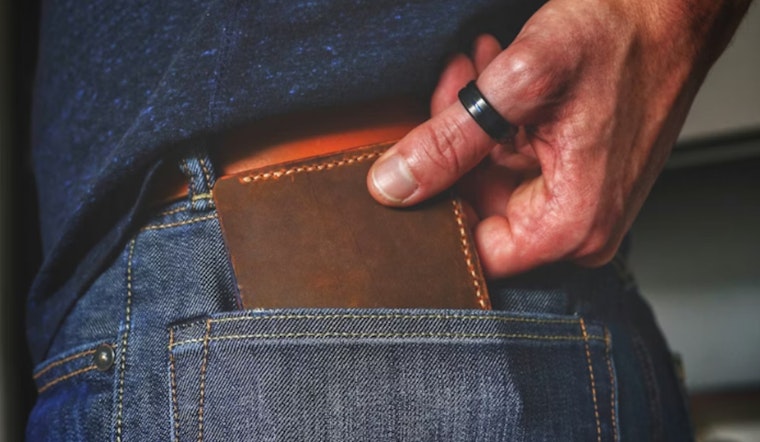
Pickpocketing is on the rise in Texas. Reports of theft have increased from 2021 to 2024, especially in busy areas like transit stations, downtown streets, and tourist spots. Commuters and visitors are being more careful with their belongings, while city officials and businesses are looking into ways to prevent more incidents, as per CW33.
Study Data: Statewide Jump, National Surge
According to CW33, reporting on an analysis tied to Compare the Market Australia, national pocket‑picking reports climbed from about 16,136 in 2021 to roughly 27,742 in 2024 — a 72% increase. The same reporting shows Texas’s pocket‑picking rate rose from about 1,719 incidents per 100,000 residents in 2021 to roughly 2,567 per 100,000 in 2024 (a 49% increase), with some metro areas seeing especially sharp spikes. Those figures are pulled from FBI NIBRS “pocket‑picking” counts, the category used in the study. FBI NIBRS.
How The Researchers Compiled The Index
Compare the Market’s research teams publish multiple indexes using different inputs. For travel pieces, they mine TripAdvisor review mentions and Numbeo worry metrics; for the U.S. state comparison, they relied on FBI NIBRS counts to isolate pocket‑picking. That blend of public crime records and review‑based signals can spotlight where thefts are reported—but it also means results can be influenced by local reporting practices and how active reviewers are. Compare the Market Australia and trade outlets republished the findings, including Travel And Tour World.
How To Avoid Becoming A Target
The study’s guidance is simple, if not glamorous: keep phones and wallets out of external pockets, favor zipped or inside pockets (or a money belt), and stay alert in tight crowds. Those tips are aimed at tourists but play just as well for daily commuters on packed trains or anyone squeezing through festival lines. Compare the Market Australia.
Why The Numbers Need Context
Analysts caution that big percentage swings can mislead. FBI reporting frameworks have shifted in recent years, and participation in NIBRS has varied—changes that can make jumps or dips look larger when multiple jurisdictions update their reporting at once. The upshot: treat the study as a nudge for local follow‑up—targeted audits, transit‑station checks, and retail partnerships—rather than a definitive tally of every theft. EveryCRSReport.com.
Transit agencies and downtown business groups in cities like Houston and Austin are keeping an eye on the rise in pickpocketing and considering ways to prevent it. If the trend continues through the holidays, there may be more public awareness campaigns, extra patrols, and safety tips for locals and visitors. Officials have not yet commented on the situation.





