

























































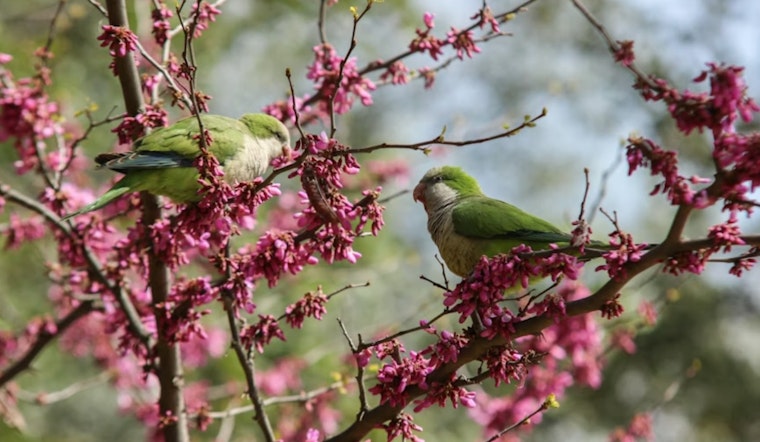
In a study that could perhaps inform our own social strategies, biologists at the University of Cincinnati have revealed that monk parakeets have a unique way of handling introductions when they meet new potential friends in their flock. According to a report by Popular Science via UC News, these feathered creatures engage in cautious interactions to avoid conflicts, a behavior that might echo the age-old human advice to "test the waters."
The research spearheaded by UC student Claire O'Connell and Associate Professor Elizabeth Hobson focused on the social dynamics within groups of the social birds, the monk parakeets. However, new the birds were introduced, they practiced a gradual approach strategy to familiarize themselves with existing group members—this course of action minimizes the chances of aggressive reactions that can emerge from uncertain social encounters. Hobson articulated the parakeets' behavior by stating, They take their time getting to know one another before engaging in more risky interactions that could lead to aggression.
The implications of this study could extend beyond ornithology, potentially offering insights into the nature of relationships and social interactions among different species. The findings, which have implications for understanding the complexity of social dynamics in animals, were published in the prominent scientific journal Biology Letters. Alongside O'Connell and Hobson, other contributors to the research include former UC postdoctoral researcher Annemarie van der Marel and Princeton University Associate Professor Gerald Carter, their collective work provides a fascinating glimpse into the social strategies of these avian communities.
While the study presents clear evidence of a structured approach to conflict avoidance and social integration in monk parakeets, it remains to be seen how similar tactics might be adopted across species or applied to human socialization processes. Such queries would require further interdisciplinary investigation and collaboration among scientists across various fields of behavioral research, mirroring the diverse team that brought forth these avian insights, as O'Connell told Popular Science via UC News.




