

























































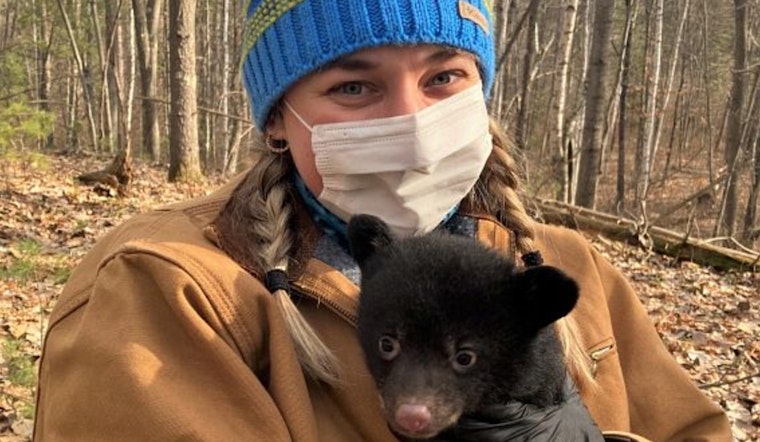
The Wisconsin Department of Natural Resources (DNR) is calling on locals to keep eyes peeled for black bear dens, as contributions from the public become crucial to a statewide research study aiming to get a tighter grip on bear reproductive rates and the impact of their diets, particularly when these omnivorous mammals dip into human-provided foodstuffs. In a statement obtained by the Wisconsin DNR, researchers are gathering data for the Black Bear Litter and Diet Survey, now in its fifth year, with a keen interest in the den locations within bear management zones C, E, and F.
The essence of this study is to fine-tune population models, which in turn informs the management decisions related to the black bear populations across different Wisconsin zones, and the DNR asserts that public participation is pivotal to meet the study’s sample size needs, it's also a fact that with the public reporting in more bear den locations will directly beef up the reliability of the prepared population estimates. Encounters with black bear dens should be reported with details like GPS coordinates, which can be readily pulled from smartphone map apps, photos of the dens, descriptions of the site, and any neighboring bear activity, avoiding any disruption to the bears by maintaining a minimum 30-yard distance.
To embark on a den survey, DNR collaborators communicate with those who reported the dens as well as property owners to ensure everyone's safety and the feasibility of accessing these habitats, though according to the DNR’s plans not every den may get surveyed during the current season. Dens confirmed as active will be more likely to see a visit from the research team.
Throughout these investigative dives into ursine living quarters, DNR staff gather biological data, key for determining key factors such as their reproductive success rates of the mother bears and survival rates of their cubs; furthermore, selected sows are fitted with GPS collars, which double as a channel for following up on the bears’ foraging patterns and location tracking, also these collars are not just fancy jewelry: They are crucial tools for future follow-ups, allowing researchers to track if the mother bear moves, if her cubs thrive, and how often she has new litters. Cub welfare is a paramount concern during these surveys, with staffers keeping the young bears warm in their coats as they are not yet capable of self-regulating their body temperatures, while monitoring the mother bear's vitals and swiftly recording necessary data before returning the bears to their den unharmed, an undertaking that was featured in a 2024 episode of PBS Wisconsin's "Wisconsin Life" series.





