

























































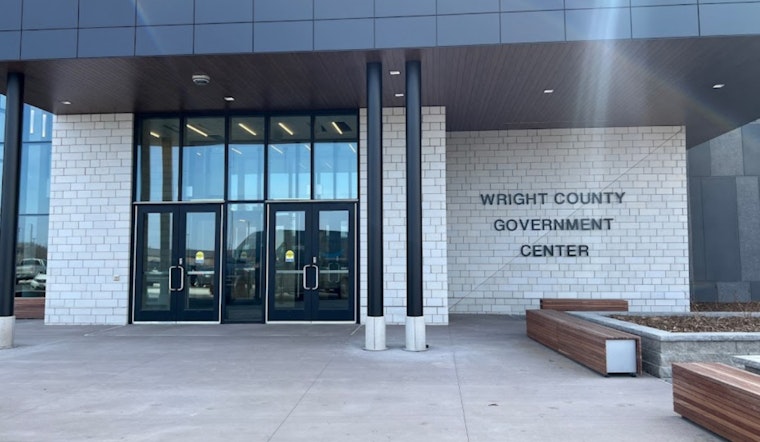
Tensions were high at the Nov. 18 meeting of the Wright County Board of Commissioners as county officials called out the Department of Corrections (DOC) Commissioner Paul Schnell for what they describe as an extortion attempt. According to a board member, there's been a frustrating lack of communication from Schnell after the county decided to handle its own community corrections, dealing with probation and oversight of individuals with felony convictions—a move common among counties of Wright's size. "Wright County was the largest county in the state that was still working through the DOC for felony probation," Commissioner Kirby Moynagh said in a meeting, as reported by Wright County's official news release. Moynagh denounced the absence of feedback on their plan save for what he labeled as an "extortion plot."
Highlighting the discord, Moynagh described the county's diligent work to transition to community corrections, having fulfilled all required statutory obligations only to face an unexpected financial demand. The DOC has seemingly tried to make the county pay for accrued vacation and sick time of DOC employees—a request that Moynagh finds absurd and likened to extortion. "Aside from being ethically questionable, when does a state government department get the authority to try to extort money out of a county?" Moynagh questioned in the news release. As of Nov. 10, Wright County officially began its own community corrections operation, yet these contentious financial demands persist.
Board Chair Darek Vetsch expressed his frustration over what he sees as stonewalling on the part of the DOC. "In that time, we have worked hard with the DOC. We have given them the documents as prescribed by state statute and, yet, here we are. The state is trying very diligently to find ways to pothole or stop this process from happening," Vetsch stated in the board meeting. Commissioners Nadine Schoen and Jeanne Holland chimed in with similar concerns, emphasizing that the county should not bear liability for expenses incurred by the state for its employees.
The board took no official action during the meeting but stood united against complying with the DOC's payment request and reaffirmed its commitment to upholding the transition to community corrections. Moynagh had strong words for Schnell, saying, "I think it is time for Mr. Schnell to own up to his responsibility to those employees who work for the DOC and stop trying to shake down Wright County residents to make his books work," he declared, according to the county's news release. The board's message was clear: they see the DOC's financial demands as not only unfounded but as an obstacle to the well-being of Wright County's residents and the implementation of a local governance structure for community corrections.




