

























































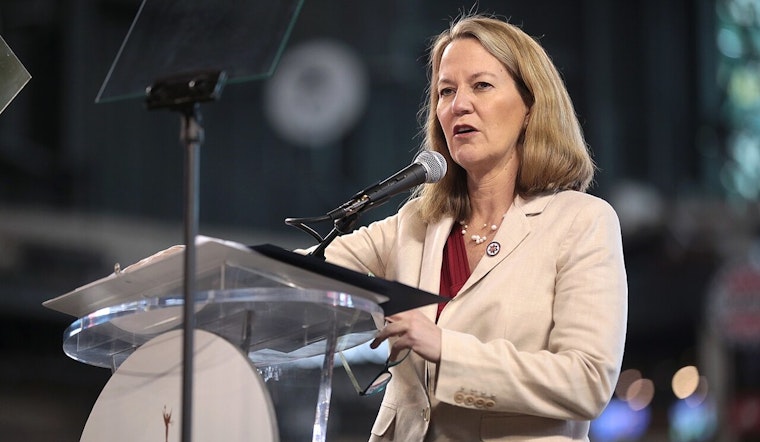
In a move that has been hailed as a victory for disaster preparedness, Arizona Attorney General Kris Mayes successfully led a coalition of 20 states to block the Trump Administration from unjustly pulling the plug on FEMA's established Building Resilient Infrastructure and Communities (BRIC) program. The court's decision, as reported by the Attorney General's office, ensures BRIC's crucial funds will continue to safeguard communities from the devastation of natural disasters.
"We're winning case after case as we protect Arizonans from harm and rising prices that the Trump administration continues to illegally pursue," Mayes stated, emphasizing the relief residents will feel when the next wildfire or flood strikes. While the Trump Administration aimed to dismantle the program, the court sided with the states, protecting an initiative that has directly aimed to reduce disaster risks for three decades.
BRIC's approach is not merely reactive but preventative, backing state, tribal, and local governments in their endeavors to prevent catastrophe rather than merely recover from its aftermath. In the skirmish with the Trump Administration, specific Arizona projects were at stake, such as a $4.6 million flood mitigation effort in Buckeye and an $860,000 venture in Camp Verde to secure a vital roadway against floods. These projects, along with others, were selected for BRIC grants, totaling $9.8 million for the state, and are designed to enhance community resilience in the face of natural disasters.
BRIC, born in the wake of Hurricane Katrina's wrath, has been a bulwark for communities, offering funding for projects that are otherwise hard to support, like evacuation shelters and flood walls. It embodies the congressional mandate that FEMA must address the entire cycle of disaster management: mitigation, preparation, response, and recovery. Through the court's ruling, FEMA is now required to not only continue the BRIC program but to also restore the funds deemed essential for the communities that depend on them. This aligns with the judicial conclusion that FEMA overstepped its bounds in an apparent violation of the Separation of Powers.
Among those coming together in support of the lawsuit, filed by Mayes and co-led by Massachusetts Attorney General Andrea Joy Campbell and Washington Attorney General Nick Brown, were the attorneys general from states including California, New York and the governor of Pennsylvania. This collective action underscores the nationwide understanding of the necessity of preemptive disaster management strategies and the need to protect the allocation of government funds as mandated by Congress.





.jpg)