

























































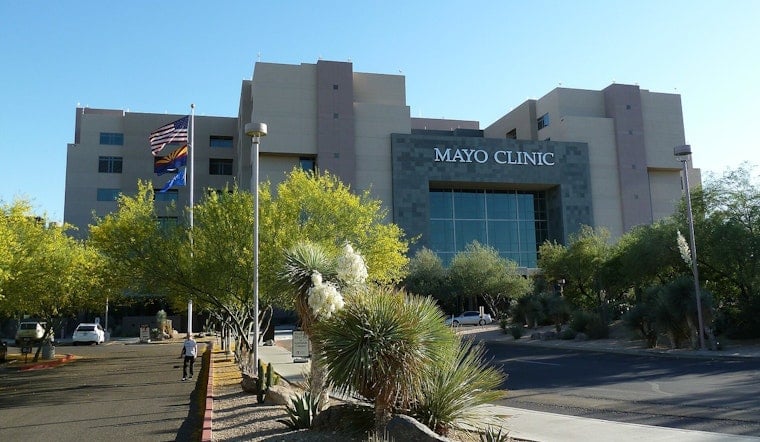
A Denver man traveling to Phoenix for a neurosurgeon consultation was told by Mayo Clinic that he owed a $5,000 preservice deposit before he could be seen — even though the clinic had sent him an estimate of just $565 weeks earlier. When Thomas Zordani refused to pay, Mayo canceled his appointment. The dispute that followed ended in an arbitrator's ruling against the hospital system and a growing national reckoning over hospitals demanding payment before patients ever receive care.
Zordani's ordeal, first detailed by the Miami Herald in reporting syndicated by KFF Health News, illustrates a billing practice that patient advocates say is spreading fast across American health care. In April 2024, Mayo Clinic told Zordani it needed a $5,000 preservice deposit, despite having earlier sent him an estimated cost of just $565 for the same visit. Mayo determined it did not accept his insurance and designated him self-pay, even though he had out-of-network benefits, according to the same report.
Zordani refused to pay the $5,000 upfront, and Mayo canceled the appointment. He went on to undergo a procedure for a spinal fluid leak at a Denver hospital that June, then filed a complaint against Mayo in Arizona civil court that October. An arbitrator determined in September 2025 that Mayo had violated a state consumer fraud law and ordered the clinic to pay Zordani $47,500 in economic damages and attorney fees. Mayo spokesperson Andrea Kalmanovitz said the clinic regretted that Zordani's experience did not meet its communication standards, per the Herald's reporting.
Why Hospitals Are Pushing Prepayment
Zordani's case is not an outlier. Hospitals and medical providers are increasingly seeking prepayments before treatment, driven largely by financial pressure from rising uncollected debt. Chip Kahn, a source cited in the Herald's report, said preservice deposits will likely become more common as the practice spreads across the industry.
The financial math behind the shift is stark. Hospital collection rates for patient-owed balances on commercially insured claims fell from 54.8% in 2021 to 47.8% across 2022 and 2023, according to a Kodiak Solutions analysis of $5.2 billion in resolved medical claims reported by Medical Economics. Meanwhile, U.S. hospitals lost $48.4 billion to uncollected bad debt and final insurance claim denials in 2025, up 25% from $38.6 billion the year before, according to Kodiak Solutions data cited by outlets tracking more than 2,300 hospitals nationwide.
Richard Gundling, another source quoted in the Herald's account, put it bluntly: patients are basically being asked to self-insure. Matt Szaflarski said preservice payments are increasingly discussed with health systems as the practice becomes standard operating procedure rather than an exception.
Rising Deductibles Squeeze Patients
The pressure on hospitals is compounding a separate trend already squeezing patients: rising deductibles. The average Affordable Care Act plan deductible increased 37% to $3,786 in 2026, while the average employer family-coverage deductible sits at $3,762 per person. Higher deductibles and coinsurance increase what patients nominally owe, and rising deductibles are causing patients to owe more for care overall, according to the Herald's reporting.
As a result, hospitals are seeking as much deductible payment up front as possible. One example cited in the report: a hospital seeking $250 up front for a scan expected to generate $1,000 in insurer reimbursement, up from closer to $150 previously requested for similar scans. Nationally, point-of-service upfront collections by U.S. hospitals reached approximately 23% of total expected patient financial responsibility in 2024, up from 20% in 2022, according to Kodiak Solutions data reported by CBS News. Even so, hospitals still collect only about one-quarter of what they expect patients to owe overall, the Herald's report notes.
Some institutions have built prepayment directly into policy. Johns Hopkins Medicine collects all amounts owed before non-emergency services are rendered, while MD Anderson asks self-pay patients for an initial deposit based on the type of cancer being treated. Mayo Clinic requires prepayments specifically for noncontracted or out-of-network insurance plans — the policy that ensnared Zordani. Insured patients like Zordani sometimes seek out-of-network care despite having out-of-network coverage, a scenario that can trigger these upfront demands even when patients believe they are covered.
Where Prepayment Demands Cross a Legal Line
Federal law draws a sharp line at the emergency room door. Under the Emergency Medical Treatment and Labor Act, Medicare-participating hospitals are legally prohibited from delaying medical screening examinations or necessary stabilizing care to inquire about a patient's insurance status or demand preservice payments, according to the Centers for Medicare & Medicaid Services. Violations can bring civil penalties of up to $129,233 per incident, enforced by the HHS Office of Inspector General.
But that protection stops at the emergency department. Matthew Fiedler, cited in the Herald's reporting, said out-of-network providers face no known barriers to requiring preservice deposits for non-emergency care — which is precisely the gap that allowed Mayo to demand $5,000 from Zordani before a scheduled consultation.
Regulators in some states are moving to close a related gap: what happens when those upfront estimates turn out to be wrong. Arizona Attorney General Kris Mayes sued SimonMed Imaging, which operates 170 locations across 10 states, over alleged delayed patient reimbursements. The case was resolved in January 2026 when SimonMed agreed to issue refunds within an average of 60 days, according to a settlement announced by the Arizona Attorney General's Office. Florida has gone further, requiring medical providers statewide to reimburse overpayments within 30 days as of 2026.
Geographic Divide and What's Ahead
The practice is not applied evenly across the country. California and Texas hospitals collect more upfront cash than Indiana hospitals, the Herald's reporting found, and Kodiak Solutions has reported that the total number of hospitals collecting point-of-service payments upfront remains unknown industry-wide. Community Health Advocates, a patient assistance group in New York State, said it regularly hears concerns from patients about preservice payment demands.
Looming policy changes could intensify the trend further. ACA and Medicaid funding cuts could cause more people to become uninsured, according to the Herald's report, potentially pushing more hospitals toward upfront collection as a hedge against unpaid bills — a dynamic that would hit rural hospitals, which already operate on thin margins, especially hard.
For patients facing a prepayment demand, the Herald's report suggests a concrete step: ask for an itemized bill and find out the insurer's specific rules on preservice charges before handing over a deposit. Hoodline has previously reported on a Chicago patient who paid a $1,000 upfront estimate for a routine colonoscopy only to receive a post-procedure bill of $19,206 — a reminder that estimates given before treatment do not always match what a hospital ultimately decides to charge.



.jpg)