

























































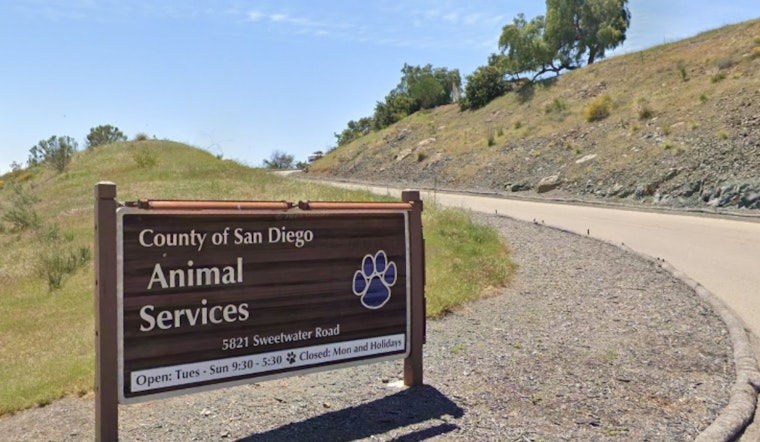
San Diego County’s Department of Animal Services is getting a hard look from its own auditors after local reporting raised pointed questions about how county-run shelters decide when to euthanize animals. The formal review is scrutinizing recordkeeping, staff training, and euthanasia procedures at the Carlsbad and Bonita shelters. County officials say the department’s current director requested the audit and remains open while leadership evaluates day-to-day operations.
County confirms a review after public-records request
According to KPBS, the existence of the audit came to light after reporters obtained documents under the California Public Records Act. A county spokesperson stated that the review aims to "assess the efficiency of operations and compliance with applicable policies and regulations." The county has not specified when the audit will be completed or provided a detailed list of every topic being audited.
Numbers, shelter conditions, and a Santee replacement
The department’s public pages outline recent intake and outcome figures, highlighting a planned state-of-the-art replacement shelter in Santee that is expected to open in 2026. For now, the county operates two shelters, in Carlsbad and Bonita, and its website highlights efforts to expand foster care and volunteer programs, while posting monthly statistics on adoptions, rescues, and what it describes as humane euthanasias. For the department’s own numbers and project timeline, please refer to San Diego County Animal Services.
Investigations found that dog euthanasia rates climbed
A KPBS investigation earlier this year reported that the dog euthanasia rate at county-run shelters more than doubled compared with pre-pandemic levels. Reporters found roughly 426 dogs were euthanized in the last full fiscal year, and that behavioral reasons now make up the majority of those cases. The same reporting flagged spotty recordkeeping, very rapid supervisory approvals in some euthanasia requests, and a period of very high staff turnover that former employees said made consistent behavior assessments difficult to maintain.
Former workers describe inconsistent training
Former animal-care attendants and volunteers told reporters they did receive the department’s policy handbook by email, but described little to no hands-on training or real-world discussion about how to use it. Venus Samayoa-Ramirez, who left the Carlsbad shelter in April, stated that she frequently received conflicting instructions from supervisors and that protocols for behavioral evaluations and kennel cleaning were not consistently applied. Those accounts have helped fuel calls for an independent review and clearer documentation of the decision-making process.
What auditors are looking for
Emails reviewed by reporters show auditors requested the department’s policies and procedures across a wide range of topics, including animal population management, animal handling, sanitation practices, medical care, euthanasia, disaster response, public health, and general facility guidance. The focus appears to be on whether written procedures actually exist, whether staff have been trained on them, and whether the practices inside the shelters align with what the manuals prescribe should happen.
Legal and policy context
San Diego County takes part in regional efforts to reduce unnecessary euthanasia and cites county and state rules that set humane procedures and minimum holding periods for impounded animals. County materials outline a long-running goal to avoid euthanizing healthy or treatable animals, a standard that animal-welfare advocates say only carries weight if it is backed up by strong documentation and ongoing oversight. San Diego County's euthanasia policy is one of the key documents auditors are expected to measure against what is happening in the shelters.
What comes next
The county says auditors are still at work and has not committed to a date for publicly releasing their findings. Officials also say that some operational improvements are already underway as the department prepares the new Santee shelter. Volunteers, former staff, and animal-welfare groups say they will be watching for concrete, documented changes in training, recordkeeping, and enrichment for kenneled animals. If the audit ends with a set of recommendations, the lingering question will be whether county leadership follows through with measurable fixes or leaves advocates waiting at the kennel door.





