

























































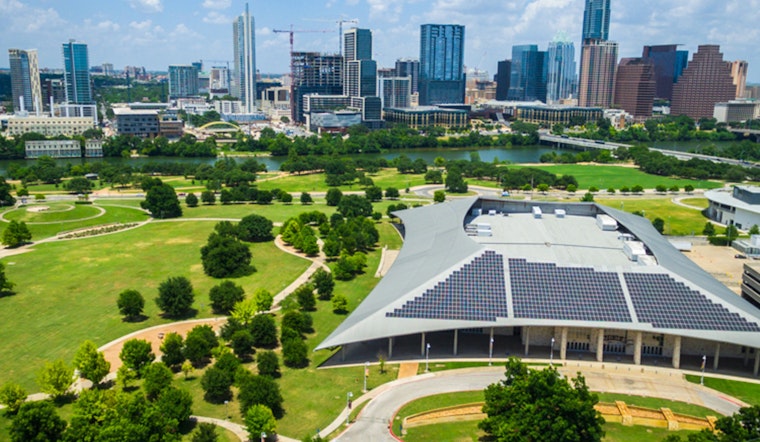
Less than a year into their clean energy commitment, Austin Energy is flaunting their latest stride — the completion of a sizable commercial solar panel project that's as real as it gets. Partnering with Radial Power and Axis Solar, the utility company installed 812 solar panels atop a local warehouse, an ambitious start to their Solar Standard Offer program, as reported by the City of Austin.
This new installation isn't just for show; it cranks out a cool nearly 660,000 kWh of solar energy annually, which, if you haven't guessed, is a whole lot of juice for the grid. You've got a city that's swimming in sunshine and vast rooftop estates, and then you have Austin Energy, an electric utility that isn't just sitting on its hands, but is actually doing something bold and bright to harness that energy potential. Richard Genece, Austin Energy's Vice President for Customer Energy Solutions, told the City of Austin, "The Solar Standard Offer is a game-changer," this isn't just talk, it's real action that spells out a more sustainable future and meets climate goals while giving back value to involved parties.
The program is groundbreaking, providing a pathway for commercial property owners to either host or lease out their rooftop real estate for solar developments — a move that drops green energy into the laps of Austin’s homes, including low-income households through its Community Solar Program. Tim Harvey, Austin Energy's Director of Energy Efficiency Services, explained that businesses elbowing into this deal have zero upfront costs and can start earning passive income right quick, all the while contributing to the city's green ambitions.
Hooking up with the Solar Standard Offer means cash flow for property owners and a steady supply of clean kilowatts for Austin Energy; it's not about handshakes and patting backs, it's about creating a sustainable energy portfolio, which, as any good utility should, takes into consideration rate reviews every three years for fairness and affordability. Eventually, ensuring everyone gets a crack at investing in renewable resources, all without leaving low-income residents in the dark or compromising the push for a greener, cleaner urban grid.





