

























































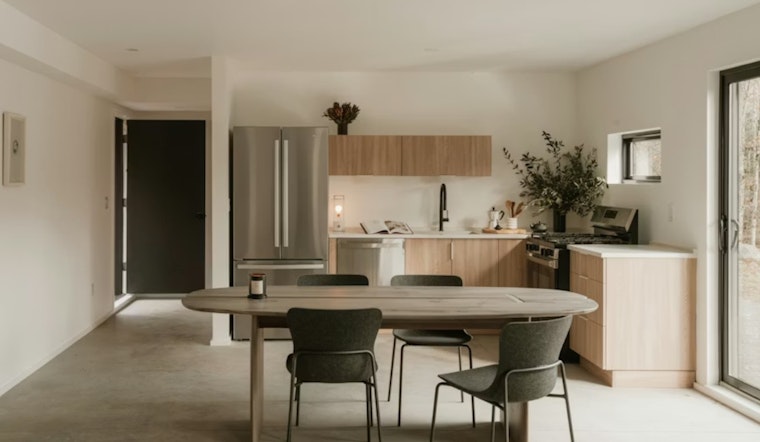
California renters are on track to ring in 2026 with a new baseline for what counts as a livable home: starting Jan. 1 of that year, most landlords will have to supply a working stove and refrigerator in their rental units. The requirement applies to new leases and renewals and generally puts the responsibility for fixing or replacing those appliances on the property owner when they break.
Tenants who already hauled in their own refrigerator can keep using it, but only if the landlord agrees and the lease spells that out in writing. With the clock ticking toward 2026, both renters and property owners are digging into the fine print to figure out how the change will be rolled out and enforced.
What the law actually requires
Assembly Bill 628 updates Civil Code Section 1941.1 so that a stove and refrigerator are now part of what makes a dwelling “tenantable” for any lease entered into, amended or extended on or after Jan. 1, 2026. The law also requires landlords to repair or replace appliances that are subject to manufacturer recalls within 30 days. For the full statutory language, see the bill text at LegiScan. The measure includes specific exceptions for units with shared kitchens, single-room-occupancy units and permanent supportive housing.
What renters should know
Under the new rule, when a landlord provides the stove and refrigerator, the landlord is also responsible for maintaining and repairing them. If the tenant supplies the refrigerator instead, that has to be by mutual agreement, and the lease must include a disclosure that puts maintenance for that fridge on the tenant.
As reported by KQED, landlords can likely time appliance purchases around lease-renewal schedules rather than buying everything at once, but they cannot require a tenant to bring in a stove. For safety context, the U.S. Department of Agriculture recommends keeping refrigerators at 40°F or below to protect most perishable foods, which helps explain why lawmakers treated safe food storage as part of basic habitability; see guidance from the U.S. Department of Agriculture.
What landlords need to do now
Property managers are being urged to start with the basics: inventory units, check the condition of existing appliances and map out upcoming lease renewals so compliance can be phased in rather than handled as a single, expensive shopping spree.
The California Apartment Association notes that the bill was signed by Gov. Gavin Newsom and will take effect on Jan. 1, 2026, and says it is updating lease forms and member guidance to include the new disclosure language for tenant-supplied refrigerators. Owners who provide second-hand appliances are also being encouraged to set up systems for tracking recalls and repairs so they do not end up unintentionally out of compliance.
Enforcement, exceptions and legal implications
The change effectively rewrites the state’s habitability standard. A unit that lacks a working stove or refrigerator as defined in the bill can be deemed untenantable under Civil Code Section 1941.1, and tenants keep the same legal remedies they already have if landlords fail to make necessary repairs.
The bill text details exemptions for some types of supportive housing, residential hotels and units with communal kitchens; that language is available at LegiScan. If a landlord does not comply, tenants can file complaints with local code-enforcement offices or rent boards. KQED has gathered examples of city complaint contacts for renters who need to report violations.
How this fits into the bigger picture
The new requirement targets a long-running oddity in parts of California’s rental market where units, especially single-family rentals in some Southern California neighborhoods, were routinely offered without basic kitchen appliances. That practice shifted the up-front cost of stoves and refrigerators onto tenants who were often already stretching to cover first month’s rent and deposits.
Court and policy debates over that setup, and the broader fight between tenant advocates and landlord groups, are detailed in coverage from the Los Angeles Times and other outlets. In the meantime, landlords and property managers are expected to roll out their compliance plans in the coming weeks. Renters are advised to keep written records of any appliance-related repair requests and, if problems go unresolved, to use their city’s enforcement channels to document and pursue those issues.


