

























































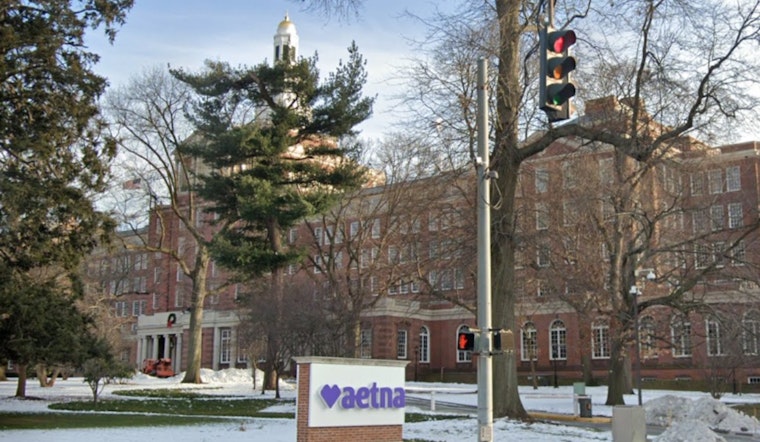
A federal judge has given preliminary approval to a class-action settlement that will force Aetna to expand fertility coverage for same-sex couples and set up a compensation process for Californians who were denied benefits. The lawsuit was filed by Santa Clara County resident Mara Berton, who says she and her wife paid tens of thousands of dollars out of pocket to build their family. The deal could change how Aetna handles intrauterine insemination and in‑vitro fertilization for millions of members across the country.
Judge signs off on preliminary agreement
U.S. District Judge Haywood S. Gilliam Jr. granted preliminary approval in mid‑December, according to an order available on Justia. In that order, the court provisionally certifies a nationwide injunctive‑relief class and a California damages class, and it instructs the parties to start sending notice and setting up claims procedures. With that move, the case shifts from behind‑the‑scenes negotiations into a formal claims process, with a schedule for objections and a final fairness hearing now on the books.
What the settlement requires
Under the agreement, Aetna must revise how it applies Clinical Policy Bulletin No. 327 so that intrauterine insemination (IUI) and intracervical insemination (ICI) are treated as standard benefits under fully insured plans, and so that IVF rules are not more restrictive for LGBTQ+ members than they are for heterosexual members, according to the National Women’s Law Center. The settlement also requires Aetna to change its medical‑criteria language so its medical directors can consider the limited availability of a member’s chosen sperm or donor material when deciding whether IVF is appropriate.
Money, scale and who stands to gain
The deal calls for Aetna to create non‑reversionary funds for California claimants and to reprocess eligible claims. The settlement website and court filings spell out who qualifies as a class member, how claims will be grouped and how default or pro‑rata payments will be calculated. CalMatters reports that the settlement is expected to affect about 2.8 million LGBTQ+ Aetna members nationwide and around 91,000 people in California, and that the company will pay at least $2 million to qualified California class members as part of the allocation.
How to file a claim and the timeline
Details on who is eligible, how to file and when forms are due are being posted on the case website. The Berton settlement portal indicates that claim forms and other instructions will be made available there, and advocates say formal notice is set to roll out later this month. According to the National Women’s Law Center and the settlement notice, eligible Californians will be able to submit claims during a defined claims period, with the specific window and filing deadlines listed on the administrator’s site at californiainfertilitysettlement.com.
The plaintiffs’ experience
Lead plaintiff Mara Berton and her wife, June Higginbotham, told reporters they paid about $45,000 out of pocket to conceive before taking Aetna to court. Berton called the policy “dehumanizing,” according to an interview cited by CalMatters. Advocates say the settlement creates a path for people who ran into similar coverage denials to seek reimbursement, and it locks in Aetna’s policy changes as legally enforceable for many planholders.
What this means legally
The proposed settlement provides that participating California class members will release certain claims and that a Special Master will be appointed to review specific allocations and requests for "special harms" awards, according to the court documents. Judge Gilliam’s order also sets out how notice will be provided, how objections must be filed and when the final fairness hearing will take place. Those dates and procedures are detailed in the court filing posted on Justia.
Why this matters now
Clinicians and insurers have already been adjusting their policies since the American Society for Reproductive Medicine widened its definition of infertility in 2023 to explicitly include people who need donor gametes or other medical intervention. Settlements and court orders like this one are giving that shift real weight in coverage disputes. Advocates say the Berton settlement could speed up similar policy changes at other insurers and cut the out‑of‑pocket costs facing queer families seeking fertility care, while also giving people who were denied coverage a clearer route to seek compensation.





