

























































After more than two decades of questions, tears and dead ends, a Jefferson County judge has sentenced Terry Rose to 40 years in prison for the 1999 murder of his ex-girlfriend, Kimberly Langwell. The punishment, handed down Tuesday, closes a cold case that has weighed on Beaumont since the last century.
Prosecutors said Rose agreed to a plea deal that capped his punishment at 40 years, and a judge set the term after a December hearing. Investigators had recovered Langwell's remains from beneath a house tied to Rose last year, finally giving her family the answer they spent 25 years begging for. Relatives said the sentence offers some measure of relief, even if no prison term can balance the loss. The case, long a fixture in local conversations and on true-crime television, has now ended where families often hope it will begin: in a courtroom, with a conviction and a sentence.
How investigators located Langwell
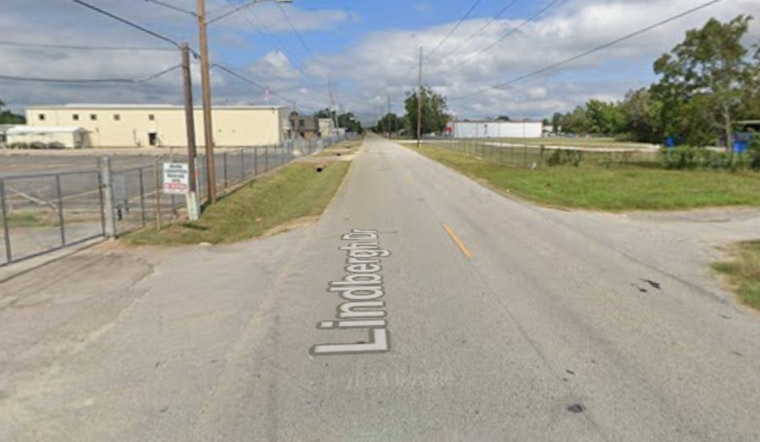
Beaumont police went back to the 1600 block of Lindbergh Drive in June 2024 after a tip persuaded detectives there was more to find at a property linked to Rose. Armed with an evidentiary search warrant, investigators opened up the foundation area and uncovered human remains. DNA testing later confirmed that the remains were those of Kimberly Langwell.
Langwell had vanished on July 9, 1999, after she called her daughter and said she planned to stop by a friend's house on the way home. Her car turned up later in a pharmacy parking lot, but she did not. For years, the abandoned vehicle was one of the only tangible clues in the case.
Authorities said the identification of the remains and Rose's subsequent arrest were the key breaks that finally allowed prosecutors to move the decades-old case forward, according to Beaumont Enterprise.
Federal and volunteer teams aided the excavation
The dig that changed everything was not a small operation. The FBI's Houston Evidence Response Team joined Beaumont police and volunteer searchers from Texas EquuSearch and other local agencies to breach the slab of the home and reach what was hidden below. Officials said the remains had been concealed under a bedroom floor.
Investigators used ground-penetrating radar and heavy equipment to identify a cavity beneath the foundation, then carefully removed portions of the slab to get to the evidence. The coordinated effort between federal specialists, local detectives and seasoned volunteers was credited with producing the physical proof that revived the case and cleared a path to prosecution, according to Port Arthur News.
Plea and sentencing
Rose pleaded guilty earlier this month and agreed that Judge Raquel West would determine his punishment. At a hearing on Tuesday, West imposed a 40-year sentence, formally closing the criminal case that had hovered over Beaumont for a generation.
Prosecutors said the plea deal spared Langwell's family the ordeal of a lengthy trial while still locking in a substantial prison term. Rose had previously turned down a different plea offer in August, according to court records and local reporting that followed the case from the June 2024 search through the December plea and sentencing, as detailed by the Beaumont Enterprise.
Legal context
Under Texas law, murder is a first-degree felony that carries a potential sentence of five to 99 years or life in prison, with judges given wide discretion at punishment hearings. Because Rose accepted a plea that left the punishment decision to the court while capping the maximum at 40 years, his sentence falls comfortably within the statutory range set by state law. The offense and its penalties are spelled out in Texas Penal Code §19.02.
Family reaction and wider context
Langwell's daughter said that recovering her mother's remains and finally hearing a sentence pronounced in court brought a painful kind of closure after decades of not knowing. She publicly thanked investigators, federal agents and volunteer search teams for not letting the case fade away.
The case drew an extra spotlight when it was featured on the television series "Cold Justice," which helped generate new witness statements and renewed investigative energy. National coverage of the recovery and sentencing highlighted how volunteers, federal evidence units and local detectives all played a part in solving a case that had been cold for more than 25 years, as reported by People.
Prosecutors acknowledged that no sentence can restore what was taken from Langwell's family, but said the outcome shows the power of patience, science and interagency cooperation in long-stalled investigations. Loved ones and victim advocates, looking beyond this one case, said they hope the resolution nudges anyone holding onto secrets about other unsolved crimes to finally step forward.





