

























































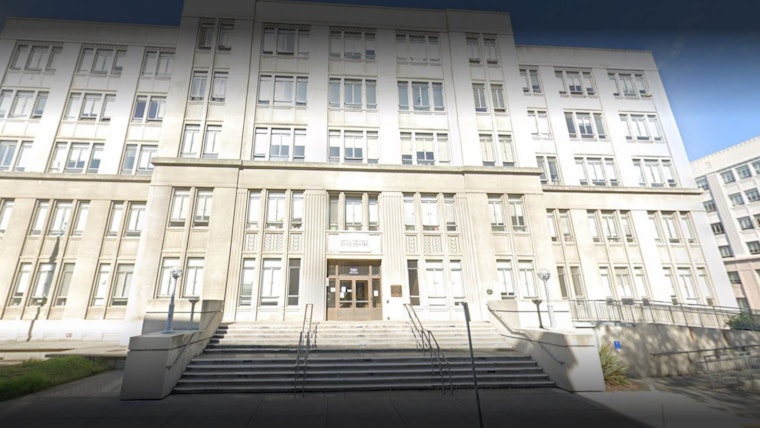
Berkeley officials are laying the groundwork for a fresh shot at a massive infrastructure bond next year, eyeing roughly $300 million to shore up aging public buildings, parks, and waterfront defenses. City staff have drawn up a sprawling “must-do” list of projects, and the City Council has signed off on voter surveys to see whether residents are ready to pay for it. The push comes after earlier bond attempts failed to clear the high supermajority threshold.
According to Berkeleyside, the City Council instructed staff on Tuesday to poll voters about a potential $300 million general-obligation bond, based on a staff report that outlines 34 possible projects. Those items range from seismic work on key civic buildings to sea-level-preparedness efforts at the marina’s south cove and upgrades to critical emergency infrastructure. City leaders say the measure is intended to keep core capital projects moving as Measure T1 issues its final round of bonds next year.
Berkeleyside reports that Deputy City Manager David White warned the council that “the more we delay, the more things deteriorate,” adding that the looming end of Measure T1 funds makes the timing particularly sensitive. Councilmember Brent Blackaby sounded a more upbeat note, saying, “I’m excited that we are on the cusp of moving forward with a major investment in Berkeley’s infrastructure.”
Projects On The Short List
The staff packet lines up 34 contenders for funding, including seismic retrofits at the Maudelle Shirek and Veterans Memorial buildings, renovations to the city’s 911 dispatch center, and modernization work at two fire stations plus the West Berkeley training center. Waterfront protection is on the menu too, with a proposed new sea wall at the marina’s south cove. Parks figure prominently, with permanent restrooms proposed at Cesar Chavez, Cedar Rose, Codornices and Harrison parks, along with upgrades to streets, sidewalks and underground utilities.
How Much It Would Cost Homeowners
City staff estimate the bond would cost property owners about $44 per $100,000 of assessed value each year. Using that math, a homeowner with Berkeley’s median assessed value of $550,000 would see around $242 a year in additional property taxes, while a buyer who recently paid the city’s median sale price of about $1.4 million could be looking at close to $600 annually. Officials emphasize that these are early estimates that will be fine-tuned as outreach and polling proceed.
Political Prospects And The Hurdle Ahead
In California, general-obligation bonds still need approval from two-thirds of voters, a steep climb that often trips up measures that poll well, according to the Legislative Analyst's Office. Berkeley has felt that sting before: in 2022, Measure L drew about 59% support but still failed to meet the supermajority bar, underscoring how big a cushion backers must build.
What’s Next
City staff plan to launch surveys and community outreach early next year to hone the list of projects and refine cost estimates before the City Council decides whether to send a measure to the 2026 ballot. If councilmembers opt to proceed, they expect a public process with hearings, broader engagement and updated tax-rate projections so voters can weigh whether the tradeoffs pencil out.





