

























































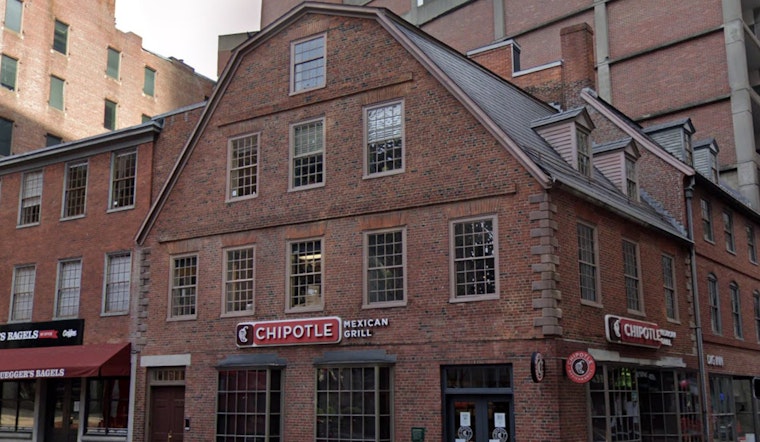
On the 252nd anniversary of the Boston Tea Party, Mayor Michelle Wu and Boston's Office of Historic Preservation have designated three Freedom Trail sites as Boston Landmarks. The Old North Church and Campus, the Old South Meeting House, and the Old Corner Bookstore and Cunningham House have been given a place among the city's most protected historic buildings, ensuring their stories remain a part of Boston's living history. These sites, up until now hosting millions of footsteps of tourists and locals alike, will be preserved under the watchful eye of the Boston Landmarks Commission.
Announced by Mayor Wu, these designations honor the role of these sites in shaping the nation's democracy. The active oversight by the Landmarks Commission, involved in all future changes or improvements, marks a turning point for preservation in Boston. Each landmark initiation came from Boston residents, upholding the democratic process in the very act of valuing its historic locations. The Mayor emphasized the significance, stating, "These designations mark a powerful moment in our city’s ongoing commitment to honoring the full story of Boston’s past," according to the City of Boston's official announcement.
Revered for its connection to pivotal events leading to American independence, the Old South Meeting House is where colonists congregated following the Boston Massacre and before the historic Tea Party. The site now operates under Revolutionary Spaces, which seeks to ignite modern civic discourse, a testament to its foundational role in the country's early civil actions. "The Old South Meeting House has long been a beacon of civic action and free expression," Revolutionary Spaces' President and CEO Nat Sheidley told the City of Boston.
Similarly, the Old North Church and Campus, known for the iconic signal of two lanterns that catalyzed Paul Revere's legendary ride, is recognized for more than its patriotic significance. It serves as a broader narrative encompassing the experiences of enslaved Black and Indigenous congregants and its tangled history with social hierarchy. "Boston Landmark status helps ensure that this iconic and sacred space will tell its full story for generations to come," Nikki Stewart, Executive Director of Old North Illuminated, expressed, as noted by the City of Boston. Once built for liberty's signal, the Church now signals an inclusive reckoning with history.
The Old Corner Bookstore and Cunningham House, bricks set in commerce and literature, reflect Boston's rich tradition in publishing—once home to Ticknor & Fields, the publisher that brought Thoreau, Hawthorne, and other literary titans to the American public. "It is an honor to continue the legacy of the 1718 Old Corner Bookstore and the circa 1728 Cunningham House as landmarks for our thriving downtown," remarked Dr. Rebecca F. Kemper, Executive Director of Historic Boston Incorporated, addressing their contribution to both architecture and literature, as per the city's official website. These buildings serve as a beacon of both Boston's pioneering spirit in preservation and a doorway to vital but underrepresented historical narratives.
The city's commitment to historical preservation has been a cornerstone of Wu's tenure. Since her election in 2021, more than 30 Boston Landmarks and historic districts have been established. These latest designations form a part of the sprawling Boston 250 celebrations, which feature a citywide embrace of the city's revolutionary legacy, from reenactments to drone shows. The broader aim is to not only commemorate but to inspire current and future generations with the tales etched in the very buildings they walk by every day.





