

























































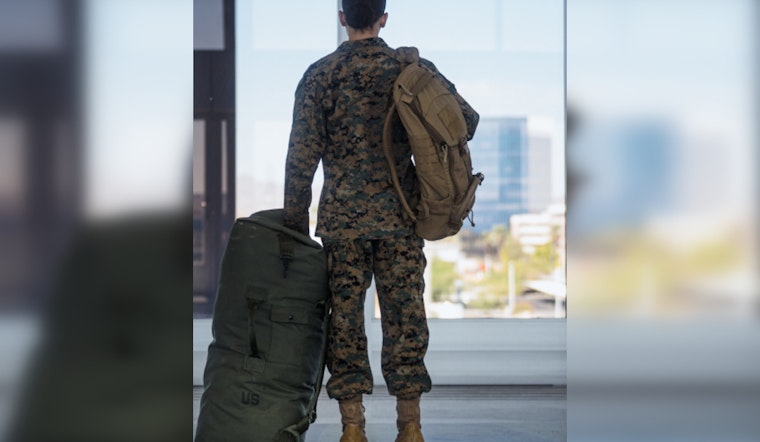
Boston's service members received a generous show of gratitude this week, thanks to a local nonprofit and the goodwill of a generous restaurateur. Boston 25 News reported that 1928 Rowes Wharf played host to a special holiday lunch for Miles for Military, an organization committed to aiding military families. The luncheon, which brought together active-duty members, veterans, and their kin for a festive meal, was entirely funded by Kristin Jenkins, the owner of 1928.
The affair was more than a simple gathering; it celebrated the sacrifices of those who serve and the resolve they show, the season amplifying their separation from family and loved ones, and in the conviviality of shared experience, dozens found respite. Miles for Military is noted for its unique program, a lifeline that aids junior-enlisted soldiers in reuniting with family by trading volunteer hours for flights home, a method that lightens the often-prohibitive financial load they bear.
The backbone of Miles for Military lies in a story of maternal love and recognition of an all-too-common hardship within the military community. According to their official website, Maureen Byrne, struck by the expense that her Marine son's comrades faced when traveling home, established the initiative to mitigate this burden. Her solution was one founded on reciprocal benefit—service members contribute to their communities, and in return, are provided the means to reconnect with their families—a straightforward exchange with profound implications.
The impact of Byrne's creation is manifold; it not just alleviates financial stress, but enriches through volunteerism, which imbues the military volunteers with added skills and a heightened sense of self, and the communities they touch are equally uplifted by their presence, making the program's reach potentially as expansive as it is deep. This holiday season, as the faces of service members light up rooms in Boston's 1928 Rowes Wharf, the truth of Byrne's mission shines clear—Miles for Military is about bridging distances, both geographical and emotional, and in doing so, it forges bonds of support and gratitude between those in uniform and the society they protect.





