

























































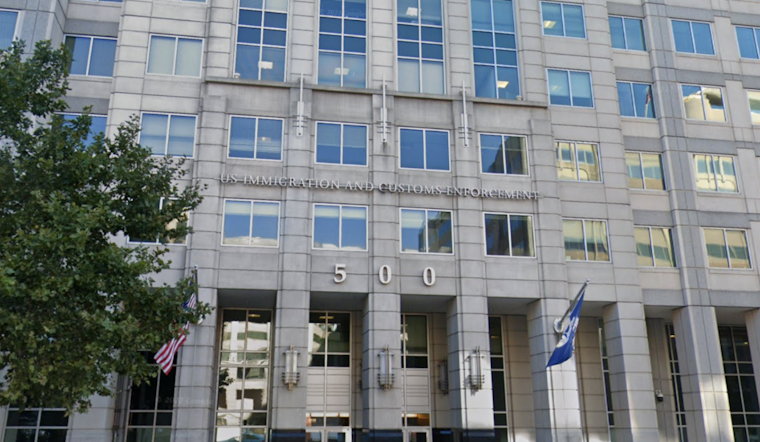
A ruling out of California last week just rattled the immigration detention system, opening the door to bond hearings and potentially freedom for tens of thousands of people held by U.S. authorities. The shift is already playing out in real time, with a handful of people walking out of custody while courts around the country scramble to figure out who now gets a shot at a hearing. For families and advocates, the fight is not abstract. They point to cases like that of Ramiro Cabrera, a Chicago-area father who spent 41 days in ICE custody before a judge ordered him released, as a reminder of what is really at stake.
Judge’s order expands relief across the country
Last Tuesday, U.S. District Judge Sunshine S. Sykes certified a nationwide class and ruled that the Department of Homeland Security’s July policy blocking many people arrested inside the United States from seeking bond hearings was unlawful, according to Reuters. Sykes found that stripping away access to custody redetermination hearings before an immigration judge deprived the plaintiffs and the broader class of protections guaranteed by statute and the Constitution. Reuters and other outlets report that the order reaches well beyond the named plaintiffs and may spur coordinated efforts to secure relief in immigration courts around the country.
How the government changed the rules this summer
In early July, ICE quietly issued a memo telling officers to treat people arrested inside the United States who had entered without inspection as “applicants for admission.” Under that label, the agency said, those individuals were not eligible for bond hearings, a sharp break from the long-standing practice documented by policy trackers. Since then, courts have been wrestling with the new interpretation and related decisions by the Board of Immigration Appeals, setting off a wave of litigation spelled out in public filings and orders. The policy background and legal fight are laid out in materials compiled by the Immigration Policy Tracking Project as well as in court filings on Justia from Rodriguez Vazquez v. Bostock.
Judges, lawyers and immigration courts remain split
Since Sykes’ order landed, the response on the ground has been all over the map. Some immigration judges have begun informing detainees they now have the right to request bond hearings. Others have turned down requests or paused while they consult with the Executive Office for Immigration Review to determine the next steps, leaving attorneys to scramble on a case-by-case basis, according to a report by The Associated Press. Lawyers for the plaintiffs say they are gathering examples of courts ignoring or sidestepping the ruling to present at an upcoming status hearing, and they expect a spike in habeas petitions and emergency motions as advocates push judges to follow Sykes’ order. For now, outcomes can turn on something as simple and arbitrary as which immigration court happens to get the case.
What it means for detainees and families
ACLU attorneys representing the class estimate that more than 36,000 detained cases nationwide could be affected by the ruling, a figure cited in local coverage of the lawsuit. An ABC7 Chicago I-Team report highlighted the human toll behind those numbers, featuring migrants and lawyers describing long separations from family and drawn-out battles over the right to seek bond. Cabrera, whose case has become a touchstone in the coverage, said his release after 41 days in custody felt like a mix of relief and loss. ACLU senior staff attorney My Khanh Ngo told ABC7 that many of the people who were denied hearings have been "in the community for decades” and had long been treated as subject to discretionary detention instead of mandatory detention. ABC7 Chicago chronicled those stories alongside the broader advocacy push.
Next steps and likely legal fallout
The California district court has set a status hearing for Jan. 16, 2026, to review how the order is being implemented and to address reports of inconsistent compliance, according to local reporting. Lawyers on both sides, along with outside advocates, are bracing for the next round. News outlets and plaintiffs’ counsel say the government is expected to seek appellate review or other relief, a move that could slow or narrow the nationwide impact while higher courts weigh in. Currently, some individuals are winning hearings or releases, but a lasting, uniform change will hinge on what happens at the Jan. 16 hearing and in any subsequent appeals.
For Bay Area readers and other locals, the ruling means immigration attorneys and community groups are already pressing nearby immigration courts to provide custody redetermination hearings. Families with loved ones in detention are being urged to consult their lawyers to determine whether Sykes’ order applies to their cases and to closely monitor the upcoming status hearing for new guidance on the next steps.


