

























































Beginning on Thursday, tortillas in California are mandated to include a vital new ingredient: folic acid. This legislation aims to combat the heightened risk of neural tube defects among newborns in the Latina community by fortifying a staple food item. CalMatters reports that just about 28% of Latinas took folic acid before becoming pregnant, compared to 46% of White women, as per California Department of Public Health data. Adding folic acid to corn masa, a key component in Latino cuisine, could help alleviate this significant health disparity.
It's not just about policy but also about community impact. Discussing the new law, Anna Camacho, the proprietor of Mi México Tortillería in Redwood City, expressed her support for the move despite her small business not being affected by the requirement. She told NBC Bay Area, “If it helps with the birth defects and mainly Latinas definitely, definitely, like that’s a big plus for us.” She values the health benefits the new law will bring to families within her community.
Reflecting on the persistently higher rates of birth defects among infants born to Latinas, this policy marks a significant proactive approach by the state. When initiating the fortification of certain grain products with folic acid in 1998, such as pasta and cereals, the U.S. saw a reduction in babies born with neural tube defects by about a third, as stated by the Centers for Disease Control and Prevention. However, corn masa has remained unfortified until federal permission was granted in 2016 for its voluntary addition, leaving a nutritional gap for many in the Latino community.
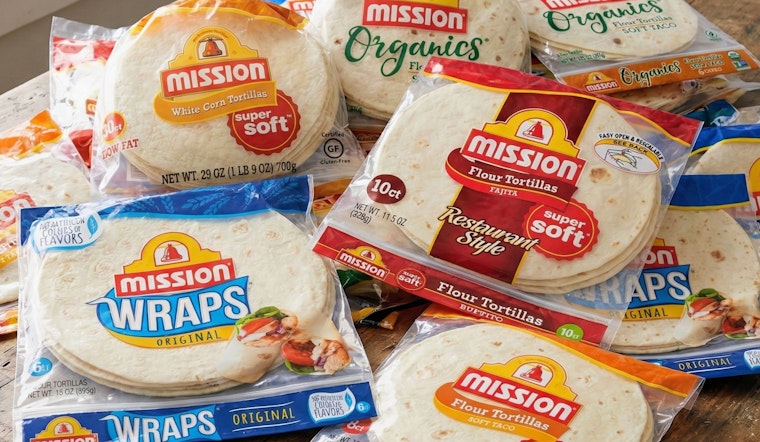
The new California law is enthusiastically supported by businesses, evidenced by Gruma, parent company of Mission Foods, which has been voluntarily fortifying its products since the federal government's green light in 2016. Proudly behind the initiative, a spokesperson for Gruma emphasized their support for "legislative fortification initiatives" and expressed approval for the new laws in California and Alabama, confirmed by CalMatters. As the state prepares for this public health milestone, other businesses are expected to follow suit ahead of the Alabama law's enactment in June 2026.




