

























































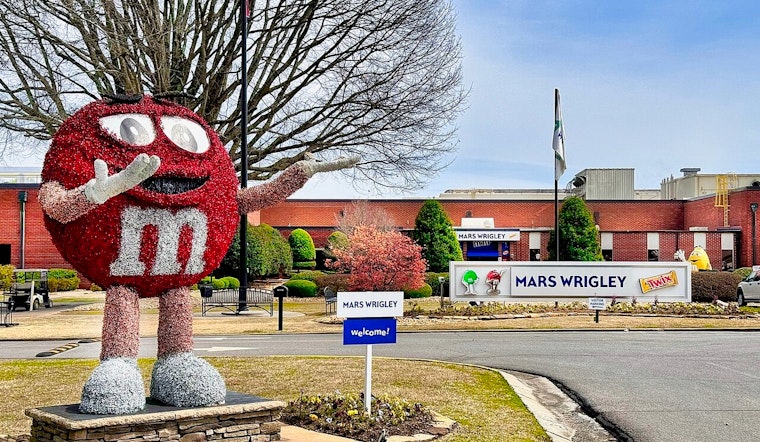
The standing-room-only crowd at Sayre Language Academy on Wednesday made one thing clear: a lot of Galewood and West Side residents are not sold on turning the Mars Wrigley plant into a dense new neighborhood. Roughly 140 people packed the auditorium for the first public look at a proposal to convert the 20‑acre candy factory site into nearly 480 homes and a big community flex space. Instead of leaving reassured, many walked out frustrated about the project’s size, cost, and how the key decisions were being made. Developers stressed the plans are early and insisted community feedback will shape what comes next.
What the plan would build
The initial concept on the table is hefty: 150 senior units, 197 multi‑unit apartments, and 132 townhomes, for a total of 479 homes, along with a 64,000‑square‑foot community “flex” space that could host events or markets. The proposal also folds in infrastructure work such as stormwater upgrades and improved sidewalks.
Most new buildings would rise five to six stories with parking tucked on the ground floor, while townhomes along the site’s edges would be capped at three stories to better blend with nearby blocks. Architect Joseph M. Antunovich and developer Dan McCaffery walked residents through those details, according to Austin Weekly News.
Historic building at Oak Park Avenue
Front and center in the plan is the landmarked 1929 Spanish‑Revival building that faces Oak Park Avenue, long celebrated as one of the city’s most decorative industrial facades. Developers have floated an adaptive‑reuse approach there, with up to about 95,000 square feet of potential programming, while most of the rest of the site would be cleared and rebuilt.
Preservation advocates and city reports have closely followed the landmarking effort, which keeps the factory’s ornate main elevation in play as a future community anchor. The complex remains central to neighborhood hopes for reuse, as reported by Preservation Chicago.
Neighbors push back on density and transparency
The mood in the room turned tense as residents questioned whether the proposal was being built for them or for citywide housing targets. Attendees passed written notes to the project team and to Ald. Chris Taliaferro while pressing for straight answers on affordability, securit,y and who would actually be able to live in the new units.
One resident told the crowd, “We don’t need housing,” a line that drew murmurs from neighbors who worry about hundreds of new units landing at once. Others demanded specifics on pricing and how many homes, if any, would be reserved in a meaningful way for current community members instead of future arrivals.
Developers also reminded the audience that construction is not guaranteed. They said projects of this scale typically cannot move forward unless there is enough financing lined up and enough homes are pre‑sold or leased to make the math work, a point they raised during the meeting, according to Austin Weekly News.
Who’s developing the site?
Mars Wrigley has tapped Chicago‑based McCaffery to steer the redevelopment of the property at 2019 N. Oak Park Ave. The firm says it plans to spend time meeting with neighborhood groups and city officials before locking in a final design.
McCaffery has a track record with large adaptive‑reuse and mixed‑use projects across the region, and Mars has indicated that any deal will depend on rezoning approvals and ongoing community engagement. The company’s choice of developer and McCaffery’s early outreach were reported by the Chicago Sun‑Times.
What’s next
City officials and the development team say this first rollout will be followed by more public meetings and cross‑neighborhood conversations as McCaffery reworks the design. The project will have to wind its way through Chicago’s rezoning process and ultimately secure City Council approval.
In the meantime, residents and preservationists say they plan to keep pressing for clear commitments on affordability, safety and the future of the historic factory building as plans evolve. The expected rezoning path and community‑engagement steps ahead for the project have been outlined by Chicago Star Media.





