

























































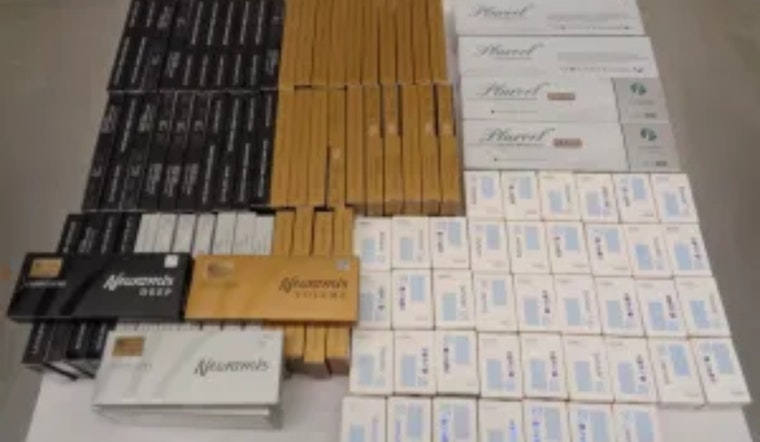
In a substantial crackdown on illegal pharmaceuticals, the Cincinnati branch of U.S. Customs and Border Protection, in collaboration with the U.S. Food and Drug Administration's Office of Criminal Investigation and Office of Import Operations Consumer Safety officers, seized over $407,000 worth of unapproved medical products. The joint operation, which took place in late October, targeted an array of FDA-regulated goods, intercepting unauthorized ophthalmology products, misbranded prescription drugs, and various other illicit medical items.
The cumulative haul included 398 shipments containing 8,521 pairs of undeclared or misdeclared contact lenses and 50 additional shipments containing misbranded or misdeclared FDA-regulated drugs or medical devices. Some of the noteworthy items seized were GLP1 medications, Botox, dermal fillers, and skin care products, as well as other FDA-prohibited substances and powders. All of these shipments were intended for distribution to locations across the United States, according to the official CBP release.
Counterfeit goods have been a persistent issue, affecting various consumer markets. "Counterfeit products, such as these items, can contain toxic substances that can impact the public’s health," said Director of Field Operations LaFonda Sutton-Burke of the Chicago Field Office, as reported by cbp.gov. She pointed out that counterfeiters are indifferent to the potential harm they cause, counterfeiting a broad range of in-demand goods to turn a profit. The statement went on to stress the risks these counterfeit goods pose, especially when they infiltrate online marketplaces, directly impacting American consumers.
While many purchase contact lenses for Halloween costumes or performing arts, the FDA regards all contact lenses as medical devices that warrant a valid prescription. The organization cautions against purchasing such items from vendors that may be selling illegally, and the public is urged to report suspicions to the FDA. With respect to pharmaceuticals, the FDA requires imported drugs to meet quality, safety, and effectiveness standards, which many online pharmacies fail to comply with. This poses health risks to consumers who are often lured by the promise of genuine products at drastically reduced prices. The consequences include potential exposure to unknown ingredients, the onset of unusual side effects, and a lack of product effectiveness, the release.
Prior interagency efforts have led to significant seizures and opened doors to further enforcement actions. During a similar operation in the fiscal year 2025, officials seized 146 shipments, denying entry to 38 more for carrying unapproved contact lenses and other non-compliant FDA-regulated items, indicative of the ongoing battle against the distribution of hazardous, unauthorized medical products that jeopardize public health.



