

























































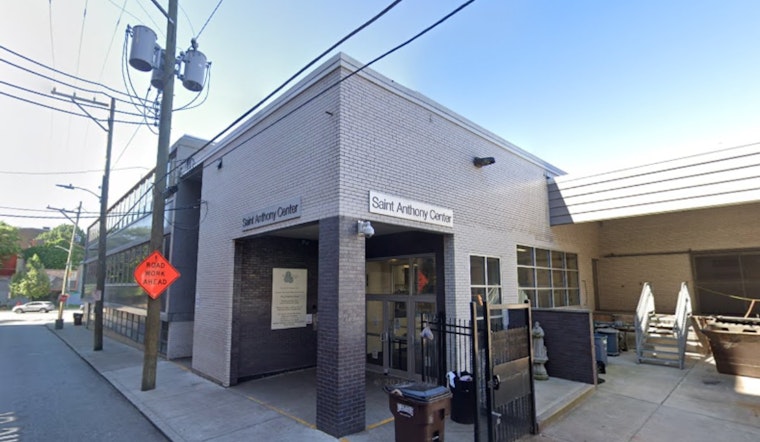
As Cincinnati braces for the chilling grasp of winter, city officials are taking measures to ensure the safety and warmth of residents facing the frigid temperatures. According to FOX19, an emergency daytime shelter at St. Anthony Center has opened to provide respite from the cold. The shelter, operational from 6 a.m. to 7 p.m., is offering free bus transportation, three meals, and more to protect community members from what is described as "detrimental" conditions.
With an expected snowfall of 4-6 inches by Saturday and "feels like" temperatures plummeting near or below zero, the need for such services appears to be urgent. While another quick-moving system is bringing additional snow, WLWT reports that Cincinnati is also responding with warming centers at Cincinnati Recreation Commission recreation centers during their normal operating hours. Deploying snow plows across the city, Cincinnati’s new snow plow tracker technology aims to offer residents real-time updates on street conditions.
St. Anthony Center will offer comprehensive support, including "onsite services from community mental health partners" and resources such as blankets, hats, and scarves, as detailed by Spectrum News 1. They also mention the center, in partnership with St. Francis Seraph Ministries, is extending its services to include care for pets of those experiencing homelessness, affirming the shelter's role as more than just a temporary relief but a holistic support hub for those in need.
Individuals like Blake Kirk, finding warmth at St. Anthony Center, expressed gratitude for the shelter’s extended services. "They fed us, too. They don't have to do that. And they gave us blankets," Kirk told FOX19. Acknowledging the critical need for these centers, a community member articulated to the same publication the absence of alternatives, "It's easy, 'cause if they stay out there they don't have nothing, nowhere to go."





