

























































Families who thought they had finally won justice after deaths, sexual assaults and other injuries in nursing homes say the settlement checks they were promised never arrived. The problem is not that courts rejected their claims. Instead, a tangle of delayed payment schedules, secrecy agreements and Chapter 11 protections has put many of those payouts on indefinite hold.
Plaintiffs' attorneys say Genesis Healthcare leaned on installment plans and confidentiality clauses to stretch out payments, then filed for bankruptcy and secured pauses on lawsuits that might have forced quicker action. The upshot, they say, is dozens of unpaid or only partly paid settlements in multiple states, from New Mexico to Pennsylvania, while creditors and lawmakers now battle in a Dallas federal courtroom over who gets what if the chain’s assets are sold.
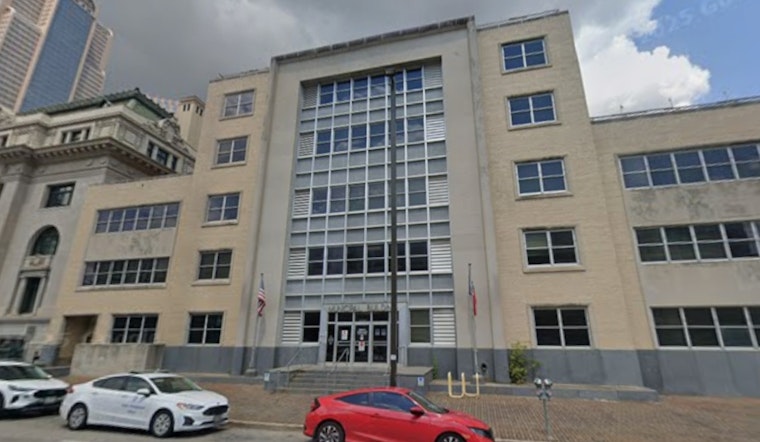
As reported by the Santa Fe New Mexican, court filings and bankruptcy claims show Genesis paid nothing in 85 settled cases and only partial amounts in another 70. Many of those deals were written as installment agreements or locked down with confidentiality provisions that kept families from talking publicly. The paper reports that the company filed for Chapter 11 in Dallas in July, on the same day a Santa Fe judge announced fines and daily penalties in the Alma Brown case. Plaintiffs' lawyers argue those clauses and slow-payment terms effectively shoved families to the back of the creditor line.
Big Debts, Little Cash For Victims
Genesis’s bankruptcy papers list about $2.3 billion in total liabilities and say the company cares for roughly 15,000 residents at some 165 nursing homes and assisted living sites, figures that show just how many people’s care is wrapped up in the case, according to Reuters. The company’s own filings break that out as approximately $709 million in secured debt and about $1.6 billion in unsecured claims, while it also disclosed a $30 million debtor in possession loan intended to keep the lights on and staff paid, per Business Wire. For families waiting on settlements, those numbers help explain why there may not be much left in the pot.
How The Settlements Were Stretched Out
A review by KFF Health News of 155 settlement agreements and related statements found Genesis frequently used deferment clauses, confidentiality terms and multi year installment plans that spaced out payments and kept incidents out of public view. Attorneys and advocates say those provisions, while perfectly legal on paper, can function as a slow motion brake on payouts and make claims tougher to enforce once a company ducks into bankruptcy court to reorganize.
The delays are not theoretical. In Pennsylvania, bankruptcy and court records show a $3.5 million settlement in the Nancy Hunt case that was signed in August 2024 remains largely unpaid, and documents indicate a $950,000 October 2024 settlement for Margarett Johnson still has outstanding balances. In New Mexico, a $650,000 settlement in the Betancourt case included a yearlong grace period before any payments were due, according to the Santa Fe New Mexican. Other families say their first scheduled payments never arrived or showed up late, only to be frozen entirely once the bankruptcy stay kicked in and halted their lawsuits.
Regulators Flagged Care And Safety Problems
Federal oversight data suggest the financial mess is playing out against a backdrop of quality concerns. Using the Centers for Medicare & Medicaid Services five star rating system, reviewers found that 58 percent of Genesis affiliated homes scored below average or much below average, and CMS has issued roughly $10 million in civil money penalties against Genesis facilities in the past three years, according to reporting by KFF Health News. Individual inspection reports have cited staffing gaps and safety lapses at facilities such as Sandia Ridge Center in Albuquerque, which regulators flagged for problems in memory care units, per The Philadelphia Inquirer.
Legal Fallout And A Bitter Sale Fight
The bankruptcy has also frozen the courtroom battles that helped uncover many of these problems. A federal judge agreed to pause hundreds of personal injury and wrongful death suits to protect the bankruptcy estate, a step the company argued was necessary to avoid a shutdown, as first reported by Reuters. That pause, along with a proposed sale to an investor with ties to an insider, sparked a backlash. This month a judge ordered the auction process reopened after concerns that the original bidding favored an insider backed deal, according to The Wall Street Journal.
On Capitol Hill, lawmakers including Sen. Elizabeth Warren have urged federal trustees and watchdogs to dig into whether insiders might be able to buy back key assets without fully compensating victims and other unsecured creditors. For families who have been staring at empty mailboxes instead of settlement checks, that possibility lands like a second insult.
“They never had any intention to honor these deals,” said John Anthony, an attorney representing hundreds of personal injury claimants, in comments reported by CBS News. Genesis has denied wrongdoing in individual cases and said in a company statement that it remains focused on maintaining care and steering through the court supervised process, per GlobeNewswire. For now, the fate of those long delayed settlements rests on how judges, the bankruptcy trustee and the bidding war ultimately sort out who gets paid first, and who is left waiting.




