

























































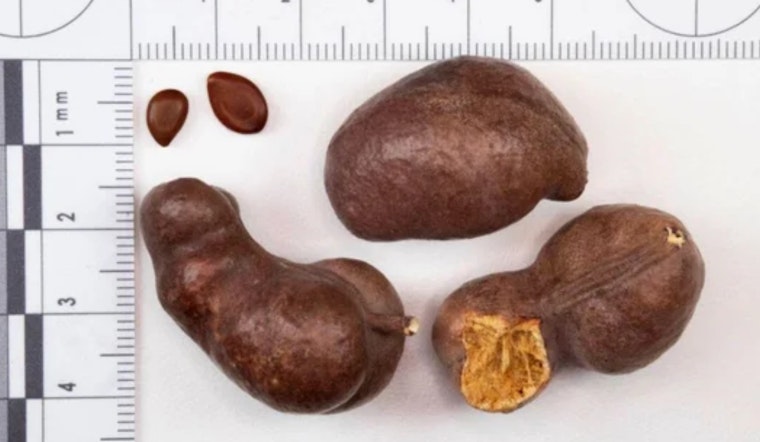
Travelers might imagine the Detroit Metro as a mere crossroads for humans, but it's also a battleground against invasive species, as evidenced by a recent interception by federal agriculture agents. According to a post by CBP Director of Field Operations Marty C. Raybon, Detroit airport officials snagged a passenger from Iraq smuggling seeds of a particularly tenacious plant. The culprit? Syrian mesquite, described by Raybon on social media as a "rarely seen federal noxious weed," is native to the harsh deserts of Northern Africa. Raybon's post detailed how this prickly shrub poses a threat by expanding its extensive root system to invade croplands.
RARE WEED SEED: @CBP agriculture specialists at #DetroitMetroAirport intercepted Syrian mesquite--a rarely seen federal noxious weed--from Iraq. This Northern African native grows into a prickly shrub that invades croplands by sending out suckers from its extensive root system. pic.twitter.com/Ss5Bkl9B64
— CBP Director of Field Operations Marty C. Raybon (@DFODetroit) December 29, 2025
The Syrian mesquite's ability to disrupt agriculture through its aggressive root suckers is no small matter, customs officials say, pointing out the lengths the U.S. Customs and Border Protection agency goes to avoid such ecological nightmares; this incident adds to Detroit Metro's history of intercepting unwanted agricultural pests, which includes a medfly from Albania a caper fruit fly larvae amid fresh flowers from Italy, and even a tropical beetle found hiding in bark from the Ivory Coast, as reported by CBS News Detroit. The vigilance is part of a nationwide effort to safeguard U.S. soil from non-native species that can cause significant harm.
Travelers entering the United States with agricultural products need to be aware of the rules: there are restrictions, and the CBP enforces them. A list of prohibited and restricted items is available on the CBP website to guide international passengers who might inadvertently bring harmful plants or insects into the country. The diligence of CBP's agriculture specialists is a critical line of defense, ensuring that potentially devastating invasives don’t gain a foothold on American soil.



