

























































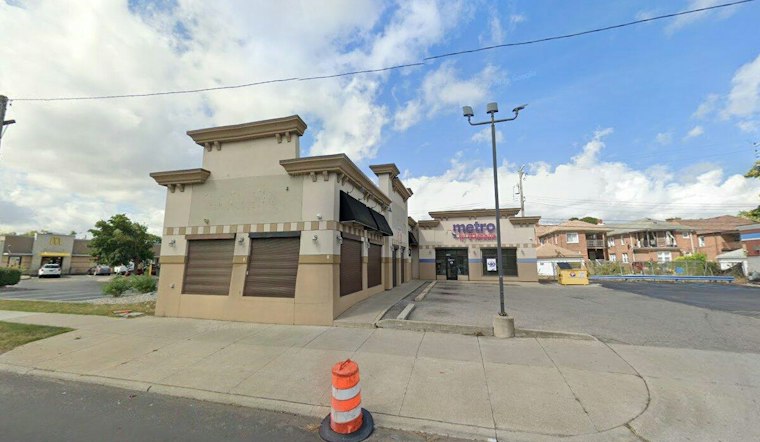
A husband-and-wife team is bringing Detroit's first Black-owned Beyond Juicery + Eatery to the University District, with the new shop set to open to the public on November 21 at 11 a.m. at 17149 Livernois Avenue. John and Allyson Smith will mark the occasion with an invitation-only media preview, smoothie social and ribbon-cutting the day before, on November 20 at noon, featuring Mayor Mary Sheffield.
According to a release carried by EIN Presswire, the Smiths’ location is Detroit’s first Black-owned Beyond Juicery + Eatery, and it sits near the University of Detroit Mercy along the Livernois corridor. The shop will offer complimentary tote bags to the first 200 customers who make a purchase, the release states. What Now Detroit had earlier reported that John Smith hoped to debut the eatery sometime in July, though that was described only as a hope rather than a confirmed date.
Beyond Juicery + Eatery's own location page lists the University District spot as “coming soon,” describing a menu of raw juices, smoothies, cleanses, bottled juices, wraps, salads and seasonal items — details the chain also confirms through its broader menu of made-to-order smoothies, juices, wraps and salads per the release.
A Shop Rooted in Fitness and Family
John Smith also owns Grindtime Fitness, a Detroit-based fitness facility located at 18451 Wyoming Avenue.
The release describes the Smiths as Detroit entrepreneurs and references wellness, fresh food access and opportunity.
A Historic Backdrop
A barista listing for the University District location posted on 7shifts advertises flexible scheduling that works around classes and activities, and Beyond Juicery + Eatery directs applicants to the “Join The Team” section of each location's page to apply for that specific site, per the company's website.
The opening arrives in a stretch of the city that has drawn scrutiny for food access: a 2018 analysis by Drawing Detroit found the city had the highest number of census tracts in Southeastern Michigan with the lowest access to food sources, based on USDA data from 2015, and identified a concentration of tracts along Livernois Avenue on the city's west side where more than 100 housing units lacked a vehicle and sat more than a half-mile from the nearest grocery store. That same analysis noted the Detroit Food Justice Task Force's recommendation to support neighborhood farmers markets, small businesses and research into neighborhood food needs — historical findings that speak to the area's broader backdrop rather than current conditions on Livernois today.





