

























































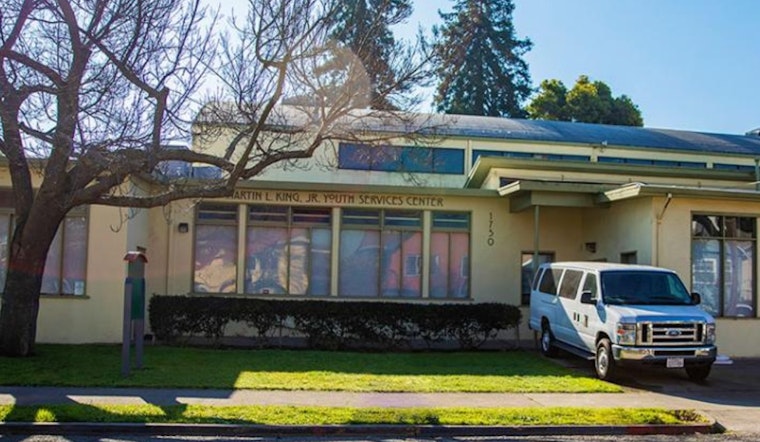
Berkeley officials say a federal funding snag has forced the city to plug a significant hole in its budget, swapping in roughly $836,000 in local dollars after a chunk of promised FEMA money stalled. The delayed hazard mitigation award has already prompted the city to trim parts of the Martin Luther King Jr. Youth Services Center renovation and reallocate funds from other local projects to keep construction moving.
City Report Labels Part Of Grant "Indefinitely Postponed"
A Sept. 16 city report flagged an $836,000 slice of the Hazard Mitigation Grant as "indefinitely postponed," according to Berkeleyside. That pause, staff said, is what pushed Parks, Recreation & Waterfront officials to dip into local funds so the seismic retrofit would not grind to a halt.
What The Retrofit Includes And How Berkeley Is Paying For It
The MLK Jr. Youth Services Center overhaul is a comprehensive seismic retrofit and interior refresh for a 1950s-era building, designed to make the site safer daily and to prepare it to serve as a designated care-and-shelter hub in an emergency. The city project page lists Measure T1 bonds, the city parks tax, the capital improvement fund, and a FEMA grant as funding sources, and it includes project plans and bid documents. City of Berkeley materials also indicate that the project is progressing through the procurement and construction steps this year.
FEMA Slowdown Stalls Mitigation Work Across The Country
Berkeley’s money crunch is part of a wider federal logjam. Congressional documents note that FEMA put a pause on billions in obligations under an Immediate Needs Funding pause, which froze many mitigation projects and stacked up a backlog for regional offices. That national halt, paired with more intensive review requirements at regional offices, has left some cities waiting months or longer for final obligations on Hazard Mitigation awards. Congress.gov detailed the broader interruptions to FEMA obligations.
City Raids Local Funds And Scales Back Plans
Parks Director Scott Ferris told Berkeleyside that the city swapped in more than $800,000 in local money after FEMA’s regional office warned the remaining funds could take two years or more to arrive. To make the numbers work, planners scrapped a planned solar panel installation on the roof. They redirected funds from other city projects, all while trying to keep designers and contractors on schedule.
Timeline And What Comes Next
Construction at the MLK center began in July 2025, and the city’s T1 quarterly update states that the site will remain closed through spring 2027. Even so, officials still anticipate reopening the revamped youth center in late 2026 or early 2027, depending on the final schedule. The Parks Department states that it will continue to pursue federal reimbursement while relying on city funds to prevent further delays, according to the City of Berkeley.
FEMA’s Hazard Mitigation program requires multiple layers of state and local review and uses a cost-share structure that can complicate timing and cash flow for local governments. Federal guidance outlines the program’s review steps and the typical requirements cities must meet to be eligible for and receive reimbursement. Berkeley officials must now decide whether to continue pressing for a faster regional review or backfill the gap with local dollars to avoid delaying the youth center’s reopening, according to FEMA.





