

























































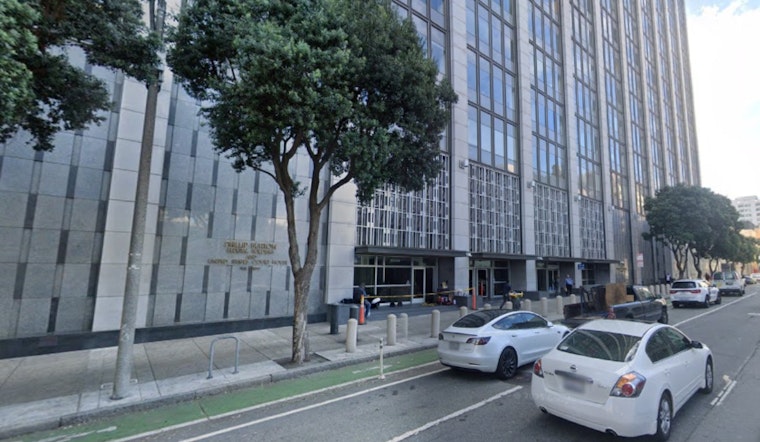
Naheed Mangi spent yesterday in a San Jose federal courtroom hearing a judge spell out her punishment: four years of probation and $10,520.69 in restitution for tampering with a breast cancer study database after Stanford fired her in 2013. The former Stanford clinical research coordinator was convicted by a jury earlier this year on computer‑tampering counts tied to the case.
Senior U.S. District Judge Edward J. Davila opted for probation and rejected prosecutors’ request for roughly 10 months split between jail and home detention, according to The Mercury News. In a sentencing memo, the defense argued that Mangi, now 70, had complied with release conditions for seven years and is unemployed, relying on Social Security and savings. The restitution figure is intended to cover Stanford’s costs to reconstruct and verify the damaged trial records, the outlet reported.
A federal jury found Mangi guilty in February on two counts of intentional damage to a protected computer and one count of accessing a protected computer without authorization, the U.S. Attorney’s Office, Northern District of California said. Prosecutors said the tampering occurred in a Genentech‑sponsored trial known as the Velvet Breast Cancer MO27782 Study and forced Stanford to reenter patient data from source documents and notify federal regulators. “Naheed Mangi intentionally tampered with a breast cancer research database by entering false information and personal insults,” Acting U.S. Attorney Patrick D. Robbins said in a press release.
According to court filings and media reports, on Aug. 19, 2013, just hours after Stanford fired her, Mangi logged back into the study database and replaced patient entries with gibberish and derogatory remarks. Prosecutors cited language such as “doctor too stupid” in describing the alterations. Stanford’s review required staff to rebuild affected records from original source documents and report the incident to the FDA, and the university absorbed several thousand dollars in corrective costs. The Mercury News has detailed the sentencing and the specific language prosecutors said appeared in the corrupted records.
Why the case stretched for years
Although the database incident occurred in 2013, prosecutors did not indict Mangi until 2018, and the jury did not return a guilty verdict until February 2025, local reporting shows. Coverage by KTVU has tracked the long gap between the initial tampering and criminal accountability and noted the unusually drawn‑out timeline.
Legal context
Mangi was convicted under federal computer‑fraud statutes for intentionally damaging a protected computer and for unauthorized access, offenses charged under 18 U.S.C. § 1030 that carry significant potential prison terms, according to the U.S. Attorney’s Office, Northern District of California. The agency’s summary notes that the U.S. Secret Service led the investigation and lays out the maximum penalties attached to each count.
Research fallout
Stanford reentered the tampered trial data from source documents, launched an internal investigation and reported the breach to federal regulators, local outlets reported. Earlier reporting that offered coverage of the guilty verdict described how the Genentech‑sponsored study was affected. A separate coverage piece by the San Francisco Chronicle highlighted why access controls and credential management are crucial for clinical trials.
Judge Davila’s probation sentence resolves the criminal prosecution, but the case remains a cautionary example for research institutions about data governance and protecting patient information. Mangi will stay under court supervision while repaying restitution, and the broader conversation about safeguarding patient data in academic trials is likely to continue.





