

























































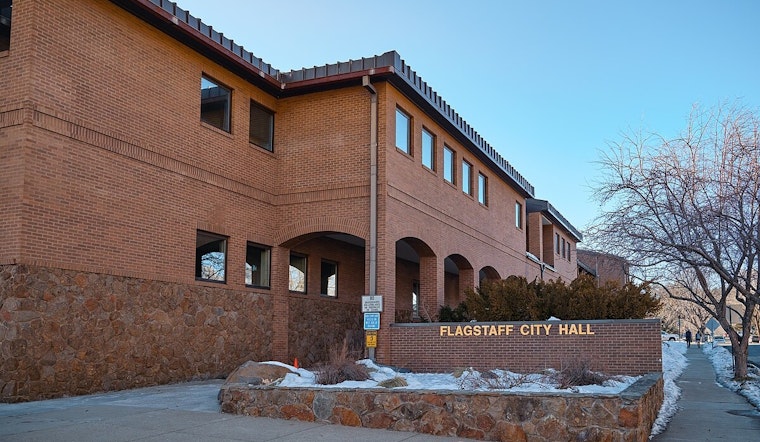
In a move that speaks to growing concerns over privacy and surveillance, the Flagstaff City Council has taken decisive action, parting ways with its automated license plate recognition technology. This technology, supplied by Flock Safety, is no more in the city after the council's vote yesterday. As detailed in an official announcement by the City of Flagstaff, the city's police department ceased the use of Flock's system immediately following the council meeting.
The now-canceled contract leaves Flagstaff at a crossroads, now poised to remove the technology that was once ingrained in its policing processes. In response to the council's decision, the Flagstaff Police Department has begun coordinating with Flock Safety on the removal process of the cameras. For those seeking more information, Sarah Langley, the Public Affairs Director, is the point of contact, and her details were provided by the city's announcement for those wishing to learn more about the contract termination or the council's decision.
While the reasons behind the council's decision to cut ties with Flock Safety have not been publicly disclosed, the act of canceling such contracts is not without precedent. Municipalities across the country have begun to re-evaluate their use of surveillance equipment amidst rising public scrutiny over privacy rights and data security. The Flagstaff City Council's decision reflects this wider trend and signals an awareness of constituency concerns over how their personal information is handled by law enforcement.
The immediate deactivation of the Flock system by the Flagstaff Police Department also suggests a proactive approach to adhering to the council's directive. Despite the council’s decision potentially affecting the dynamics of local law enforcement, the department has shown compliance, initiating the dismantling process without apparent delay. This information was confirmed in the City of Flagstaff's brief, which mentioned the immediate deactivation of the system.
Flagstaff's breakaway from Flock Safety's technology may prompt other cities to consider whether their surveillance tactics are in the best interest of their community. While the consequences of Flagstaff's decision unfold, it's clear that such measures are part of a broader conversation about balancing safety with the right to privacy—a discussion that is increasingly shaping policies in the digital age.





.jpg)