

























































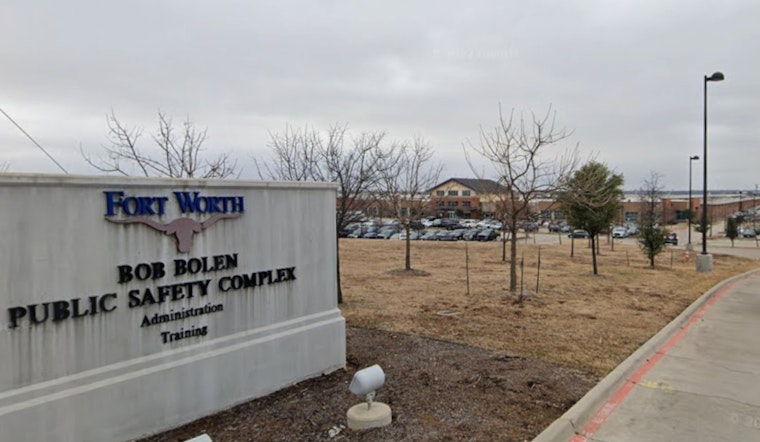
Fort Worth taxpayers shelled out roughly $25 million for police overtime in the 2025 fiscal year, a tab that city leaders now openly say cannot keep climbing. New Police Chief Eddie García is rolling out an aggressive recruiting and training push that he hopes will cut those payouts and relieve burnout among officers who have been racking up extra shifts. The spike in overtime has reignited a City Hall debate over how to juggle staffing, training and community policing priorities without blowing the budget.
Payroll documents reviewed by Fort Worth Report show overtime costs hit about $25 million in FY2025, roughly $5 million more than the year before. Dozens of police employees made more than $50,000 in overtime, and two of them actually took home more in overtime than in base pay. The records flag several six-figure overtime hauls, including an officer listed at about $125,000 in overtime and a sergeant near $137,000, and note that the city’s 2025 budget set aside roughly $287 million for police salaries and benefits, according to Fort Worth Report.
Recruiting Drive Aims To Cut Overtime
To chip away at those numbers, García and top city officials have thrown their weight behind a very visible recruitment campaign, including a department video that features the mayor and city manager. The department reported nearly 3,952 applications in 2025 and has roughly 1,728 of its 1,906 budgeted officer positions filled, a surge that city leaders hope will eventually mean fewer forced overtime shifts, according to Police1.
Chief’s Timeline And Targets
García has publicly set his sights on a fully staffed force by the end of 2026 and has told reporters that “with more officers, there will be less overtime.” Records show the department had roughly 103 vacant sworn positions in early December, a shortfall that city officials describe as a major driver of the extra pay, per Fort Worth Report.
A National Hiring Squeeze
Experts say Fort Worth is far from alone. Police agencies nationwide are dealing with an aging workforce, more resignations and fewer people applying, which has pushed many departments to lean heavily on overtime just to keep patrol shifts covered. National reporting and analysis from the Police Executive Research Forum recommend a mix of sustained hiring, faster processing of applicants and retention incentives to close the gap, according to Police1.
What It Means For The Budget
Inside City Hall, leaders are already wrestling with how to bankroll recruiting and training while keeping overtime from spiraling. Fort Worth’s 2026 budget puts public safety at the top of the spending list, with the police department budgeted at about $460.1 million and most of that going toward salaries and benefits. Council members and the city manager have pointed to added recruit classes, targeted hiring incentives and tighter scheduling as their main tools to trim the overtime bill in the coming months, according to KERA.
For now, García and city officials are betting that speeding up hiring, and the basic math that more officers on patrol should mean fewer mandatory extra shifts, will turn that overtime line item from an annual blowout into something more manageable. Whether new recruits show up fast enough to bend the curve is the test looming over both the chief’s plan and the city’s budget spreadsheet next year.





