

























































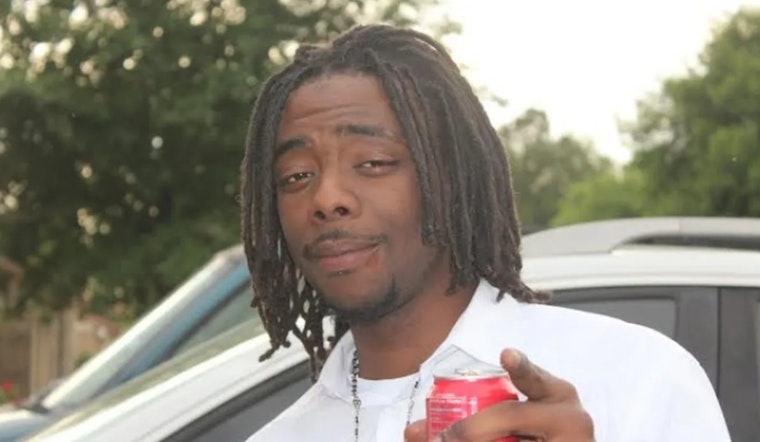
A federal appeals court has once again tossed the Barnes family’s wrongful-death lawsuit over the 2016 shooting of Ashtian Barnes by a Harris County Precinct 5 deputy constable, leaving the family to decide whether to make one more run at the U.S. Supreme Court. The ruling closes yet another chapter in a case that has bounced between the district court, the Fifth Circuit, and the nation’s high court for nearly a decade.
What the appeals court decided on remand
On remand, a three-judge Fifth Circuit panel reviewed the record and reaffirmed summary judgment for Deputy Roberto Felix. The panel concluded that his use of force did not violate Barnes’s constitutional rights and that there was no genuine issue left for a jury to decide. Even under the broader "totality of the circumstances" test the Supreme Court had ordered courts to apply, the panel said the fast-moving chain of events left Felix little time to evaluate any threat to himself or others, according to Justia.
Supreme Court reset the legal test
In May, the U.S. Supreme Court wiped out the earlier lower-court rulings and sent the case back, instructing judges to look at the totality of the circumstances surrounding an officer’s use of deadly force instead of zeroing in only on the split second when a shot is fired. The justices did not say whether Felix’s conduct was unconstitutional. Instead, they told the lower courts to re-evaluate the case under that broader standard, according to the Legal Information Institute.
Family weighing another appeal
The Barnes family’s attorney, Adam Fomby, called the appeals panel’s latest ruling "confusing" and said the family is now considering a renewed appeal to the Supreme Court. Fomby said he had hoped Harris County would seek a settlement after the high court’s remand, and he added that other lawyers have told him the Supreme Court’s decision has already changed outcomes in similar cases, as reported by the Houston Chronicle.
Advocates urged rehearing or a jury trial
Civil-liberties and police-accountability groups had jumped into the case with amicus briefs, urging further review or a full jury trial instead of resolving the dispute on summary judgment. Both the Cato Institute and the National Police Accountability Project submitted briefs pressing for another look or a jury, according to the National Police Accountability Project.
What the ruling means for policing and lawsuits
For Houston and the rest of the Fifth Circuit, the result is a split sort of outcome: a broader Supreme Court test that, in this particular case, still left Felix with a win. That combination creates murky terrain for both plaintiffs and police departments. Fomby said other attorneys have told him the Supreme Court’s ruling has already shifted results in their cases and that police agencies are being briefed on what the decision means for training and liability, according to the Houston Chronicle.
Legal takeaways
The Supreme Court’s instruction to focus on the totality of circumstances theoretically gives judges and juries more room to weigh an officer’s earlier conduct in excessive-force cases. At the same time, qualified immunity and summary-judgment rules remain steep barriers to civil liability. Going forward, lower courts will be left to sort out how much prior context is "relevant" and when disputes over that context belong to juries instead of judges, a dynamic reflected in the Supreme Court’s opinion and the Fifth Circuit’s post-remand ruling, according to the Justia report of the case.
Now the Barnes family has a stark choice: absorb the cost and uncertainty of another Supreme Court appeal or finally end a fight that started with a deadly encounter on a Houston freeway in 2016. Either way, the path they choose is likely to influence how deadly-force lawsuits play out in the Fifth Circuit for years to come.





