

























































Rosemary Tucker, a familiar face in Houston for running a nonprofit that feeds people experiencing homelessness, was arrested this week after police said she orchestrated a rental scheme built on stolen identities. The allegations now hang over her faith-focused clothing brand and its charity work, raising uncomfortable questions for supporters who watched her community outreach play out on social media.
According to KPRC Click2Houston, the Houston Police Department’s Major Offenders Division took Tucker into custody after a months-long investigation. A warrant charges her with securing the execution of a document by deception and with fraudulently using personal identifying information. The same warrant lists realtor Michael Okokhere as a co-defendant on those counts. KPRC reports that Tucker has built a sizable online following, and Houston police told the station the investigation is still active.
Background on Hoodies 4 Healing and Blessties
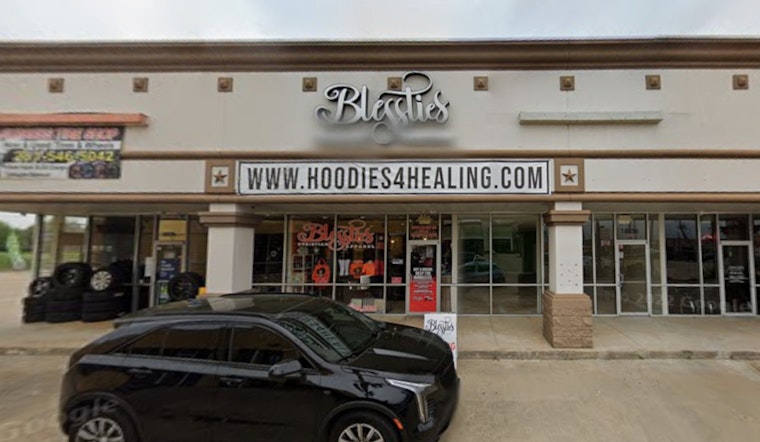
Tucker founded Hoodies 4 Healing, described as a faith-based nonprofit that sells apparel and publicly serves hot meals to people experiencing homelessness, according to Hoodies 4 Healing's website. On the retail side, Blessties Boutique operated a storefront in Cypress and pushed merchandise tied to the charity’s outreach, as reported by Community Impact. Social media posts and local promotional efforts helped the brand and its charitable work gain traction in recent years.
How investigators say the scheme worked
Investigators told KPRC Click2Houston that Tucker and Okokhere are accused of leasing at least seven properties across Harris and Fort Bend counties using a stolen identity, then re-leasing those homes to tenants who paid them rent, some of whom had criminal records. Police said a bank account tied to Tucker showed average monthly deposits of more than $112,000, with many of the incoming payments looking like rent checks in the $1,600 to $3,000 range. Investigators told the station they believe some of that money went to support Blessties and also covered personal bills, including a Nissan auto loan, phone service, and gym memberships.
Neighbors and public records indicate the Cypress suite, once listed for Blessties, no longer houses the boutique and is now occupied by a massage parlor. In coverage of the case, Troy Cothran, a board member with the Houston Association of Realtors, urged landlords to scrutinize applicants and called leasing fraud “one of the most popular ways” to cut corners.
What the law says
The charges trace back to Texas fraud statutes that outlaw obtaining signatures through deception and misusing another person’s identifying information. Under Texas Penal Code §32.46, summarized by Justia, securing execution of a document by deception can be punished anywhere from a misdemeanor to a first-degree felony, depending on the value at stake. Texas Penal Code §32.51, outlined by Texas Public Law, sets penalties for fraudulent use or possession of identifying information. Together, those laws give prosecutors multiple charging options and allow courts to order restitution to victims.
Tucker is currently free on bond as the case moves through the local courts. Tenants and property owners tied to the alleged scheme are waiting to see what further details surface as investigators and prosecutors sort through the evidence. For Houstonians who watched Tucker’s outreach online, the case is a pointed reminder that the feel-good image of philanthropy and the hard edge of criminal accountability can collide in very public ways.





