

























































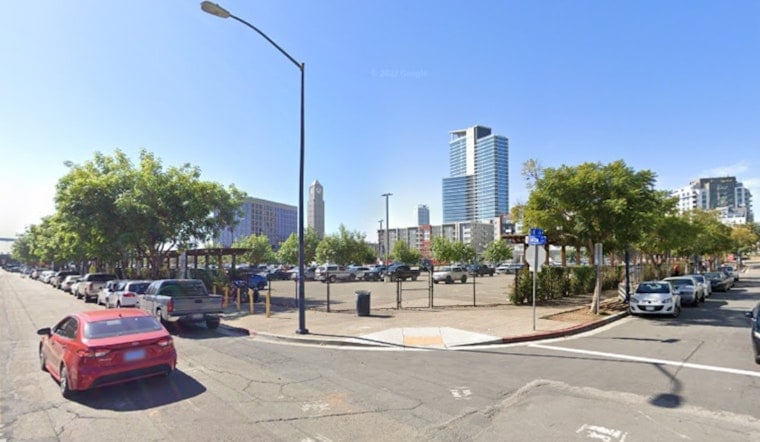
San Diego’s plan to sell Tailgate Park to a Padres-linked development team is back on ice, with a fresh legal move putting the city’s $35.1 million land deal on hold and leaving plans for roughly 1,800 new homes east of Petco Park in limbo. City officials and the developers have billed the project as a major remake of four blocks in East Village, but nothing can advance while the case grinds through the courts.
Project for Open Government filed a notice of appeal in San Diego Superior Court last week, a step that prevents the city from closing the sale or distributing the proceeds, according to reporting from The San Diego Union-Tribune. The filing follows a long run of hearings before Judge Katherine Bacal, whose rulings earlier this year shifted the legal landscape. With the new appeal pending, the transaction stays parked until the appellate court weighs in, according to the same reporting.
How The Deal Came Together
The parcel known as Tailgate Park, a four-block, city-owned surface lot east of Petco Park, was tapped for redevelopment in 2020. A Padres-led team emerged as the city’s preferred bidder and moved into a sale and development agreement under San Diego’s standard process. Coverage at the time detailed how the Padres partnered with national developer Tishman Speyer and investment partner Ascendant Capital, under the banner Padres Next Fifty, to pitch a mixed-use "East Village Quarter" that would remake the four blocks between 12th and Imperial avenues and K and 14th streets, as reported by KPBS.
Money, Housing And The Appraisal Gap
Under the approved disposition and development agreement, the sale price was set at $35.1 million. Internal valuations and the plaintiff’s court filings, however, contend the land had been appraised at roughly $76 million before the city applied a large discount tied to replacing about 1,060 public parking spaces at an estimated $40,000 per space. The way the city booked those replacement parking costs and closed the resulting appraisal gap is central to Project for Open Government’s argument that San Diego sold public land for too little, according to The San Diego Union-Tribune.
The financial breakdown in the agreement leaves the city with a relatively modest share of the proceeds, about $6 million. Other taxing agencies, including San Diego Unified School District, would receive much larger portions, with the district projected to get roughly 44 percent, or about $15.3 million. The deal also hardwires affordable housing commitments into the project: 10 percent of the units, around 180 homes, are reserved for households earning up to 60 percent of area median income, and another 90 units are set aside for households making up to 150 percent of area median income, terms that are tied to both the DDA and the city’s approvals.
Why The Courts Still Matter
Project for Open Government’s lawsuit argues the deal violated the California Environmental Quality Act and the state’s Surplus Land Act, and that the negotiated price amounted to an improper discount on public property. Local reporting has chronicled several rounds in Superior Court, including tentative rulings that questioned whether the city’s environmental review and process were up to state standards. La Prensa San Diego and other outlets have noted the court’s close scrutiny of the CEQA issues and procedural steps involved.
Market Context And Reactions
Developers behind East Village Quarter have pitched the project as a way to supercharge the Ballpark District with new housing, retail and public spaces. Critics and the watchdog group push back that the city did not secure enough money or long-term public benefit in exchange for giving up a large, centrally located piece of public land.
Local market analysts, cited in coverage of the deal’s economics, have pointed out that downtown’s residential pipeline is big enough that developers can afford to ride out the litigation. They note that timing and financing cycles will heavily influence how quickly the partners move once the legal clouds clear, a dynamic that could matter as much as the final court ruling.
For now, the notice of appeal keeps the sale documents and title transfer on pause and leaves the city still holding a contested parking lot that local leaders had hoped would bankroll new housing and public-space investments. Appellate timelines are notoriously unpredictable, and until this appeal is resolved, the future of East Village Quarter, and the dollars it might deliver to San Diego and local agencies, remains up in the air.





