

























































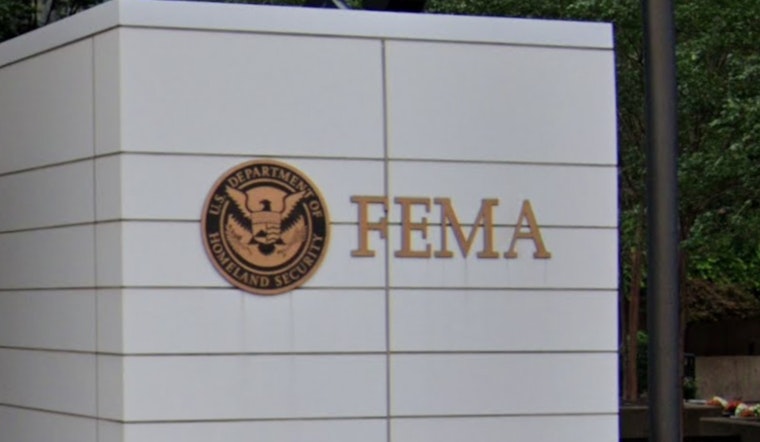
In a recent courtroom triumph, Massachusetts Attorney General Andrea Joy Campbell, backed by a coalition of 20 states, successfully halted the Trump Administration's attempts to suspend the Federal Emergency Management Agency's (FEMA) Building Resilient Infrastructure and Communities (BRIC) program—an initiative vital to fostering disaster resilience nationwide, as initially reported by the Massachusetts government. The BRIC program, standing strong for three decades, channels funds to communities to fortify infrastructure against natural calamities, targeting disaster prevention instead of mere recovery. AG Campbell underscored the court's endorsement of the program’s crucial role in safeguarding lives and properties.
Spanning across state lines, BRIC's reach has been substantial, rolling out nearly 2,000 projects, with an infusion of about $4.5 billion into the resilience fabric of communities prone to disasters; Massachusetts has notably used BRIC funds for projects in Boston neighborhoods, bridge enhancements in Manchester-by-the-Sea, bolstering the Blue Line Tunnel against floods, and a slew of local hazard mitigation plans. "Today's court order will undoubtedly save lives by preventing the federal government from terminating funding that helps communities prepare for and mitigate the impacts of natural disasters," AG Campbell lauded the decision in statements featured on the state's official website.
Further deepening its importance, a recent study highlighted in court proceedings has shown that each dollar spent on BRIC mitigation efforts equates to six dollars saved in post-disaster recovery—testimony to the program's cost-effectiveness. Despite these proven benefits, the Trump Administration sought to disband the program, a move challenged in court by the multistate coalition led by Campbell and Washington Attorney General Nick Brown, that also included the attorneys general from states such as Arizona, California, and New York, and the governor of Pennsylvania, among others.
The court ruled that FEMA's abrupt cessation of the BRIC program blatantly contradicted Congressional mandates—something the coalition sought to protect. The court concluded that FEMA's actions not only violated the Separation of Powers but also the Appropriations and Spending Clauses, as well as the Administrative Procedure Act. The judge further stated that such executive overreach threatened the balance stipulated by law, demonstrating the judicial branch’s commitment to upholding legislated programs in the face of unilateral executive decisions, as mentioned by the Massachusetts government.





