

























































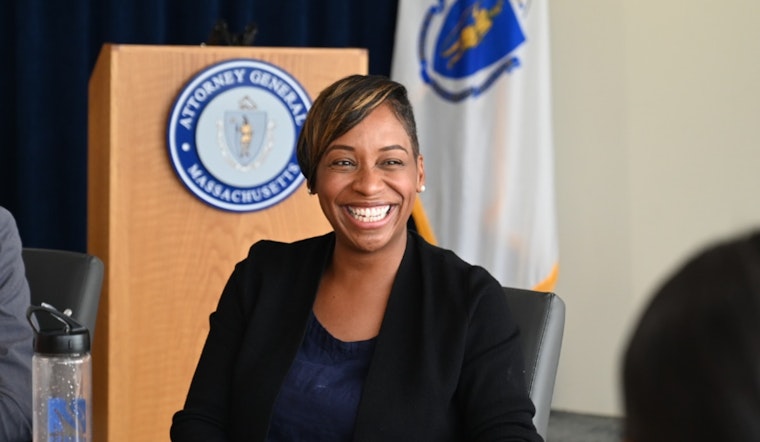
Massachusetts Attorney General Andrea Joy Campbell, who doubles as the state's ratepayer advocate, has managed to pocket Massachusetts consumers a hefty $2.11 billion in utility savings for the fiscal year 2025, with the Energy and Ratepayer Advocacy Division (ERA) of her office leading the charge in over 175 regulatory and court proceedings to shelter consumers from rising utility charges. Campbell, recognizing the uptick in utility bills, stays committed to affordability and consumer rights, stating, "Affordability and consumer protection are at the forefront of our work, and I applaud my team’s extensive advocacy to deliver meaningful, long-term cost relief for all Massachusetts ratepayers while continuing our progress towards a clean energy future," as reported by the Massachusetts official website.
The fiscal relief brought forth is detailed in the ERA's newly minted semiannual communication entitled The Energy Advocate, a newsletter intended as a public utility guidance compendium; it celebrates ERA's major fiscal wins, which have been rooted in painstaking advocacy, marking a standout $1.6 billion curtailment in expenses from the electric utilities' incredibly ambitious Electric Sector Modernization Plans, while securing a hefty $205 million in savings for National Grid consumers and boosting the discounts for those in the lowest income brackets. Such hard-won achievements set the tone for an era that grounds its policies in the real economic landscapes of its constituents.
AG Campbell's ERA division doesn't stop there; the attorney general's office didn't shy away from tackling the Gas System Enhancement Plan (GSEP), pressing it into a cost reduction that promises an immediate consumer saving of roughly $195 million and is expected to trim the GSEP program's future financial weight, according to the newsletter released by the state's official website. However, the newsletter, which can pave the way for consumers to navigate through the thicket of gas bills, utility aid schemes, and the like, is just one facet of Campbell’s broader vision for an inclusive clean energy journey where the least-served communities are not sidelined but are invited into the fold of state energy deliberations that bear upon their day-to-day lives.
Both Campbell and her ERA division are riding on a steadfast mission to further a clean energy transition that is both cost-effective and fair, with a strong emphasis on keeping energy spending bearable and broadening the doors for underrepresented communities to have their say in energy policymaking decisions—a commitment that resonates deeply in her ongoing efforts and advocacy for Massachusetts consumers.





