

























































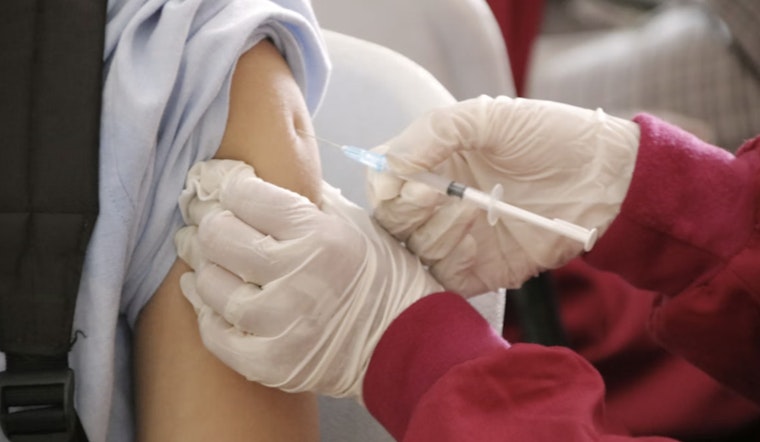
Massachusetts Governor Maura Healey and Department of Public Health Commissioner Dr. Robbie Goldstein are opposing a recent vote by the Advisory Committee on Immunization Practices (ACIP), which recommends delaying the hepatitis B vaccine for newborns. The ACIP’s decision, guided by advisers to Health and Human Services Secretary Robert F. Kennedy Jr., departs from medical guidance in place since 1991. Healey emphasized the importance of protecting children’s health and safety, according to the Massachusetts government.
The contentious vote has spurred Gov. Healey to reaffirm the state's position on the vaccine, ensuring residents that the hepatitis B vaccine will still be recommended for newborns in Massachusetts. "This vote by Health and Human Services Secretary Robert F. Kennedy Jr.’s handpicked advisers is dangerous and wrong. I want the people of Massachusetts to know that your state Department of Public Health – led by an actual doctor and guided by science and data – continues to recommend that newborns receive the hepatitis B vaccine," Healey told the Massachusetts government.
Commissioner Goldstein highlighted the importance of the hepatitis B vaccine in preventing serious health issues, including liver failure and liver cancer in infants. He noted that removing the vaccine from the routine newborn schedule could have significant public health implications. Data show a dramatic decrease in pediatric hepatitis B infections since the vaccine’s implementation.
Despite the ACIP's vote, Massachusetts law allows the DPH to set its own immunization schedules, including for the Childhood Vaccine Program. The hepatitis B vaccine will remain available, and the DPH strongly recommends that every newborn receive a dose shortly after birth. Hepatitis B can be passed from an infected mother to her baby during birth and may lead to serious, lifelong infection.
Healthcare providers in the state are advised by the Department of Public Health to continue offering the hepatitis B vaccine to all newborns at birth, following the American Academy of Pediatrics’ recommendations, even as federal guidelines differ.



