

























































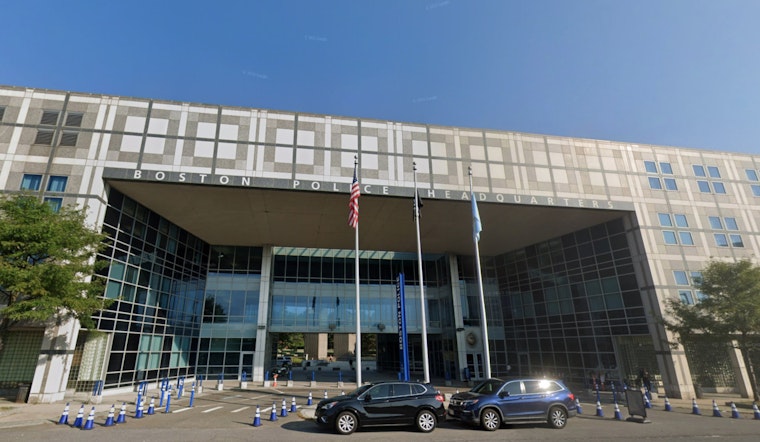
As the year reaches its close, Mayor Michelle Wu has been vocal about the strides made in public safety throughout Boston's many neighborhoods. Mayor Wu recapped a year's worth of efforts, alongside the Boston Police Department (BPD), Boston Fire Department (BFD), Boston Emergency Medical Services, and Boston Public Health Commission’s Office of Violence Prevention, outlining actions taken to further solidify Boston's status as one of the nation's safest cities.
During the year, emergency services were kept busy with call volumes in the hundreds of thousands. Among these, some 5,000 calls were related to low-acuity behavioral health, and teams managed to remove 673 guns from city streets. Wu's expansion of the Office of Violence Prevention and the offering of 120 EMT course scholarships marked continued investment in community well-being. According to a recent statement, Mayor Wu emphasized, "Their care, hard work, and empathy make Boston the safest major city in the country. This is what it means to be a home for everyone and to be fighting everyday for residents in every neighborhood – earning trust through our actions 24 hours a day."
BPD has stepped up its community policing efforts, with over 1,400 community meetings, 160 Coffee with a Cop events, and more than 2,600 meet and greets. These initiatives have correlated with historic lows in shooting victims and gunfire incidents, seeing more than a 30% decrease compared to the five-year averages, and a significant reduction in homicides both in 2024 and 2025. BPD Commissioner Michael Cox credits the community's involvement, saying, "Our mission is Community Policing, which is all about building trust and collaboration to address the issues that matter most to the residents of Boston," a sentiment reflected in the department's consistent engagement with citizens.
To tackle retail theft, BPD launched the Safe Shopping Initiative in partnership with the Suffolk County District Attorney’s Office. The initiative, as reported, resulted in a startling 113% increase in related arrests in 2025. Boston's Downtown and the area around Massachusetts Avenue and Melnea Cass Boulevard also saw a decrease in quality of life service calls and violent crime rates. Assisting in various crimes, BPD seized 840 motor scooters in an effort to address their misuse in violent events.
The collective public safety and health departments are unifying their efforts to anticipate growing needs into 2026. The Office of Violence Prevention has invested over $1 million into programs aimed at long-term prevention. Similarly, BFD has seen a decrease in fire-related fatalities and continues to place high priority on prevention education, while EMS is bolstering its workforce and capabilities to deliver efficient medical services to a rising number of incidents each day.





