

























































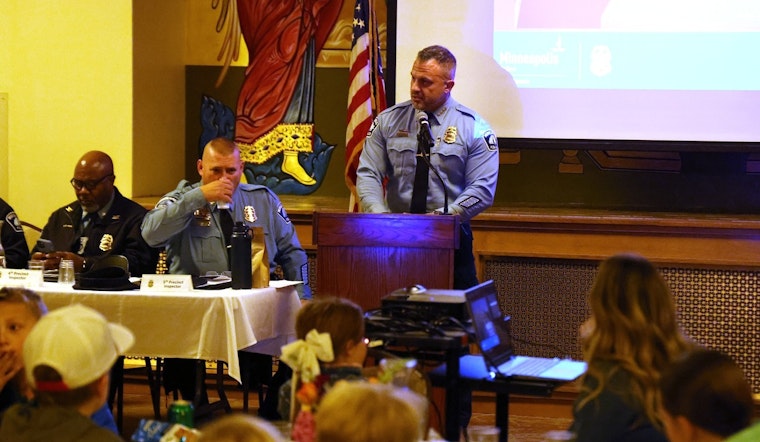
At a recent community meeting hosted by the Minneapolis Police Department, accolades were the order of the day as the 5th Precinct celebrated its MSTAT gathering, an event marked by the exchange of vital crime-related information and meaningful connection with the community. According to a post on the department's Facebook page, the event acknowledged the extraordinary work of several community and law enforcement members. Among the highlights were the recognition of two officers with "Officer of the Month" accolades and the commendation of Minnesota State Troopers for their involvement in patrolling Lake Street in the wake of the shootings.
The meeting also honored a lieutenant for his influence extending beyond policing into youth sports coaching and his recent induction into the North Dakota State University Athletic Hall of Fame. In addition to recognizing established figures, the meeting served to introduce two officers who have been tasked to exclusively engage with their precinct's communities and provide extra patrols in crucial spots. However, it wasn't just uniformed officers being acknowledged; MPD Chaplains Mike and Roxy Lynch were appreciated for their consistent emotional support and contributions to the force's welfare, making sure to keep them nourished, too.
"Thank you to everyone who joined us. Your voices, your stories, and your strength inspire us every day," read the statement from the Minneapolis Police Department. The post underlined the department's commitment to listening to and serving the local populace, showcasing a bid to foster deeper connections between law enforcement and the community members they pledge to protect. The precinct's next MSTAT meeting promises another opportunity for such engagement, and the force is eager to see the turnout and interaction that these meetings bring about.
The MSTAT meetings are held every couple of months and are considered an integral part of the department's strategy to remain transparent and approachable. These gatherings are designed not only to share crime trends but also to directly receive feedback from residents about their concerns and experiences.


