

























































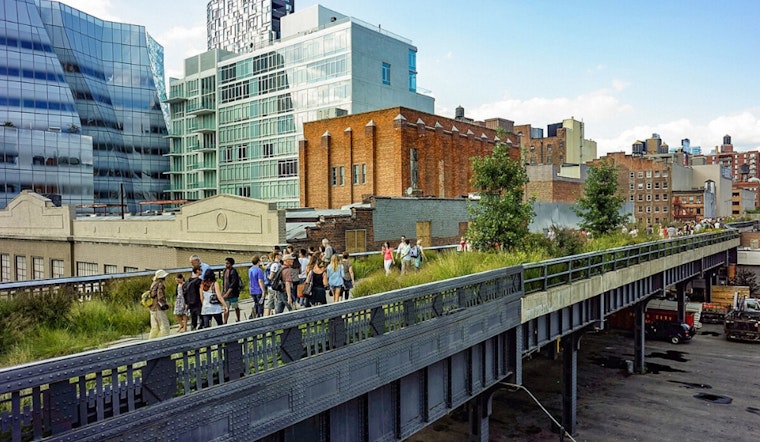
The High Line in Manhattan is known for featuring impressive art installations, with a new addition expected to be unveiled by spring 2026. A 27-foot Buddha sculpture, carved from sandstone in Vietnam, will be placed at the intersection of 10th Avenue and 30th Street. Named The Light That Shines Through the Universe, the sculpture by Tuan Andrew Nguyen honors the Bamiyan Buddhas, the sixth-century Afghan statues destroyed by the Taliban in 2001. According to PIX11, the sculpture will be displayed at the High Line Plinth for an 18-month period.
The placement of the Buddha on the High Line carries a deeper significance, recognizing both the passage of history and its disruptions. Alan van Capelle, executive director of Friends of the High Line, spoke about the statue's importance, describing it as a meaningful symbol of collective memory and shared humanity. He also linked the artwork to current challenges, addressing concerns about cultural erasure and persecution, as reported by PIX11.
Although the statue is linked to the lost Bamiyan Buddhas, it is not merely a re-creation. Time Out New York highlights that Nguyen designed The Light That Shines Through the Universe as an homage, or an "echo," intended to evoke memories rather than replicate history. One of the most distinctive features of Nguyen's Buddha is its shiny prosthetic hands, cast from melted-down brass artillery shells, which display mudras of fearlessness and compassion. The hands are intentionally separated from the body, symbolizing the irreversible damage done to the original statues.
Nguyen’s use of artillery shell material is intentional, reflecting Vietnam's experience with the remnants of war, especially unexploded ordnance from past bombings. This material contributes to a narrative of resilience and resistance that extends beyond borders. It serves as a reminder that culture can endure, even in the face of challenges, maintaining its presence, even at 27 feet. Time Out New York highlighted these elements and their wider significance, focusing on Nguyen's sculptural response to cultural loss and endurance.


