

























































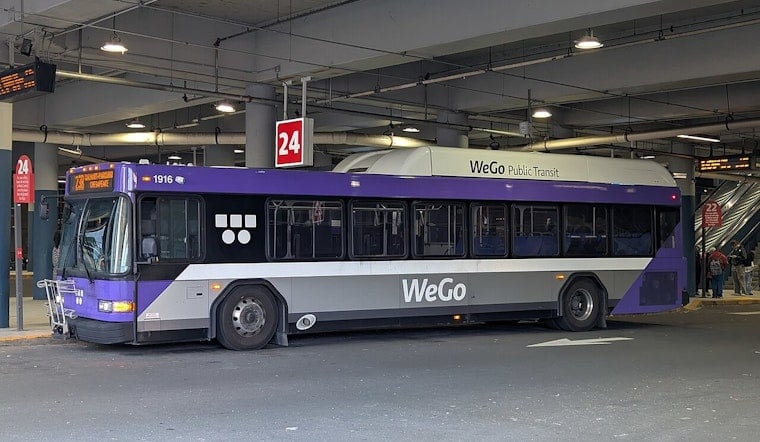
Nashville's WeGo Public Transit is ringing in the new year with a significant expansion of service hours and increased bus frequencies that promise a more connected city. Starting January 4, 2026, several routes will offer longer operating times, some stretching past the midnight hour, accommodating the diverse schedules of Nashville riders. "The increases in frequency will be noticed by all sorts of people. Route 3, Route 7, Route 34, and 52, Nolensville Pike — all of these are going to see frequency improvements. So it really impacts a large number of our riders," Eric Melcher, WeGo Public Information Officer, told WKRN.
In an effort to support shift workers and others with off-peak transportation needs, services such as the 3 West End and 7 Hillsboro Pike routes will now offer extended hours until 1:15 a.m. on Sundays, aligning with current Saturday and weekday schedules. Alongside these extended hours, multiple routes are set to decrease wait times with some buses shifting from 15 to 10 minutes during select hours on weekdays — a change expected to make a substantial difference in daily commuting patterns. This expansion includes the creation of a new WeGo Link zone set to improve connectivity in East Thompson Lane area. The introduction of these adjustments reflects WeGo's responsiveness to public demand and is part of Mayor Freddie O’Connell’s Choose How You Move program, as reported by FOX 17.
WeGo's commitment to enhancing the public transit experience in Nashville is underscored by the addition of new hourly services and extended service patches for routes like the 41 Golden Valley and 34 Opry Mills. In their announcement, WeGo cited customer input and community feedback as critical factors in the decision-making process. Vanderbilt community members will likely notice the improved service along Hillsboro Pike, where buses will now run every 20 minutes during certain weekday hours — a direct response to popular demand. According to a statement obtained by WSMV, these winter service changes were approved by the Nashville MTA Board on Oct. 23.
For WeGo, these enhancements are more than just timetable tweaks; they represent a larger effort to bolster the available transit options for Nashville's citizens. "An average year of 30-40 operators have to be added to our employee roll to be able to support the service changes we want to do," Melcher elaborated in an interview with WKRN. This expansion is also a vanguard for further dialogue with the community, as WeGo seeks additional public feedback to shape subsequent service changes planned for announcement by March of the following year. The aim of these ongoing conversations is to ensure that the city's transit services continuously evolve to meet the growing and shifting needs of its users.





