

























































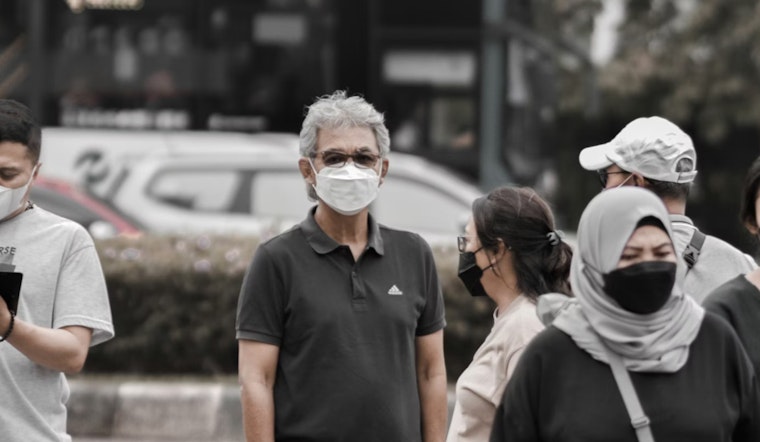
Hospitals across New York and New Jersey are seeing an increase in flu and respiratory virus cases, leading to a rise in mask usage within healthcare settings. According to recent data from the New York State Department of Health, reported by NBC New York, the flu is currently classified as "prevalent," with 32,769 confirmed cases and 1,743 hospitalizations this season. New Jersey is also experiencing a significant increase in flu cases compared with last year.
In addition to the flu, the New York State Department of Health reported 23,267 COVID-19 cases with 315 hospitalizations so far this season, along with an increase in respiratory syncytial virus (RSV) cases, totaling 92,015 with 541 hospitalizations. According to NBC New York, individuals who have not received the flu vaccine are now required to wear masks in healthcare and residential facilities. Hackensack Meridian Health also announced mask mandates in an Instagram post last week.
A report by TODAY highlights a flu strain referred to as "subclade K," which may partially evade immunity from current vaccines. This strain has been associated with significant outbreaks in the United Kingdom and Japan. In the United States, wastewater surveillance and data from WastewaterSCAN show that concentrations of this influenza A variant remain low but are increasing. No flu-related deaths have been reported in the U.S. so far, but experts note that case numbers could rise in the coming weeks, especially following holiday gatherings.
The mutated H3N2 strain has been detected in more than half of U.S. states, including New York and New Jersey. Despite concerns about vaccine effectiveness against this strain, health experts continue to recommend flu vaccinations. In an interview with TODAY, Dr. Robert Hopkins Jr. highlighted that the purpose of vaccines is to reduce illness severity and limit the overall impact of disease. He also noted that high-risk individuals should receive the vaccine promptly, as H3N2-related flu symptoms can be severe and hospitalizations are increasing.
To help prevent severe flu symptoms, health officials recommend keeping vaccinations up to date and following preventive measures, including wearing masks in crowded indoor spaces. Virologist Andrew Pekosz stated that these measures can have a significant impact on public health when widely practiced.


