

























































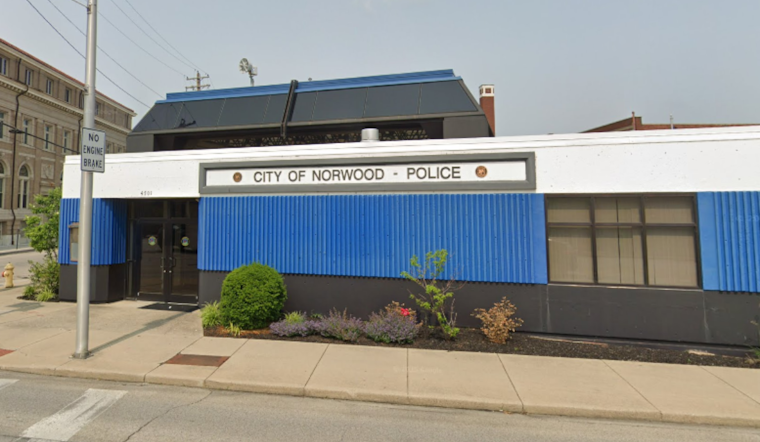
In an era where the internet is akin to the Wild West, the Norwood Police Department in Norwood, Ohio, has released guidance for its latest public awareness campaign, "Secure the Season." Scammers, they warn, have become increasingly adept at disguising their hustles as legitimate interactions—posing as figures of authority or reputable organizations, ready to divest the unsuspecting of their hard-earned money. According to a social media post by the Norwood Police Department, scammers may reach out via phone calls, emails, or messages, demanding payments for alleged dues.
Residents are reminded of a simple but essential rule in this digital skirmish against fraudsters: Hang up the phone if it smells fishy. In particular, if you're on the receiving end of a call claiming you owe money to a government agency, it's almost certainly bogus. "Chances are, a police department (at least Norwood Police) will not call demanding payment," Norwood Police detailed in their cautionary message. They stress that unconventional payment requests, such as the ones asking for gift cards, or in the shadowy corners of finance like bitcoin and cryptocurrency, are glaring red flags.
Scammers prey on the slip of attention; they thrive on hastiness. The Norwood Police underscore the importance of scrutinizing the supposed sender's details in emails, where misspellings and odd formatting could be the tell that unravels the con. They assert, "It’s almost guaranteed that no government agency will contact you via text message!" These methods of reaching out are conspicuously out of character for official bureaus, which are more likely to opt for snail mail or direct, human contact.





