

























































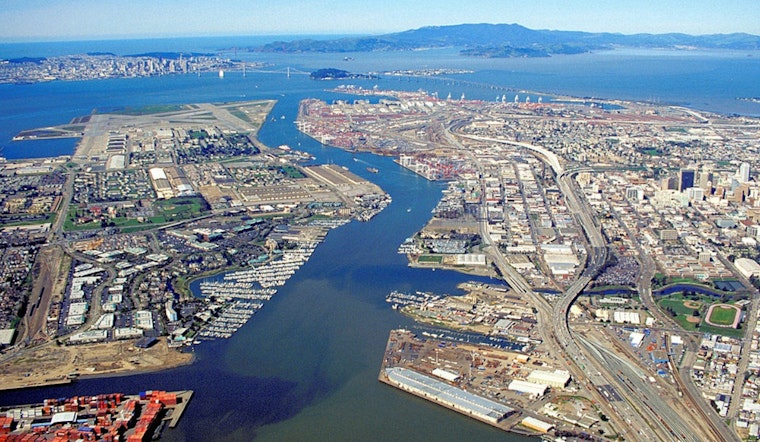
Oakland is gearing up to haul a flotilla of sunken and derelict boats out of the Estuary, clearing hazards for rowers, kayakers and other small craft while tackling a long‑running pollution problem. City leaders have approved a professional services agreement with Lind Marine that runs from Jan. 1, 2026, through Dec. 31, 2027, aimed squarely at removing wrecks that leak contaminants and block channels. Officials say the heavy‑lift work will be paired with shoreline cleanup events and prevention programs so the junk does not just float right back in.
According to Oakland City Council records, the agreement authorizes up to $1,456,258 for Lind Marine and was adopted on the consent calendar to speed up procurement. The two-year contract covers removal of abandoned, derelict and sunken vessels and directs staff to coordinate recoveries with environmental protections in mind.
Funding and partners
The effort is funded largely by a 2024 NOAA Marine Debris Program award that supports removal and stewardship in the estuary, according to NOAA. City staff estimate the program could address roughly 36 vessels through the end of 2027, Oaklandside reported, and NOAA's project page names I Heart Oakland-Alameda Estuary and the East Bay Regional Park District as partners.
How crews will pull the boats
Officials say removals will rely on floating crane barges and lifting gear to hoist wrecks directly from the water rather than breaking them up on shore. The barge-and-crane approach was used in earlier cleanups and is outlined in past project notes from Lind Marine and discussed at a BCDC enforcement briefing. Crews will adapt their tactics to vessel size and materials to reduce the risk of spills during recovery.
Community cleanups and prevention
The NOAA grant also pays for a community-led shoreline program that will run regular cleanups, outreach and a vessel buy-back to prevent abandoned boats from piling up. NOAA's project page lists I Heart Oakland-Alameda Estuary as the lead for volunteer shore work, and organizer Mary Spicer has said the group will schedule periodic cleanups and school programs. Spicer's long-running volunteer work and youth outreach are detailed in a profile at Sausal Creek.
Legal and enforcement context
Oakland has beefed up the legal tools it uses to remove nuisance boats, but enforcement capacity remains limited. Local reporting notes the Police Department's Marine Patrol has thin staffing and that the city has previously relied on grant dollars and contractors for large removals. The same reporting quotes OPD interim leadership saying abandoned vessels "make the estuary unsafe and cause potential hazards." Oaklandside lays out the ordinance changes and operational hurdles staff will confront as removals ramp up.
With the contract in place, crews are expected to begin mobilizing next year, and the city says it will combine salvage work with regular volunteer cleanups to keep the estuary safer for recreation and wildlife. Officials say the twin strategy, removing the worst wrecks while teaching boat owners and neighbors how to prevent debris, will be key to stopping the cycle of abandonment.




